Tree Damage Neighbor Responsibility Insurance Laws Explained
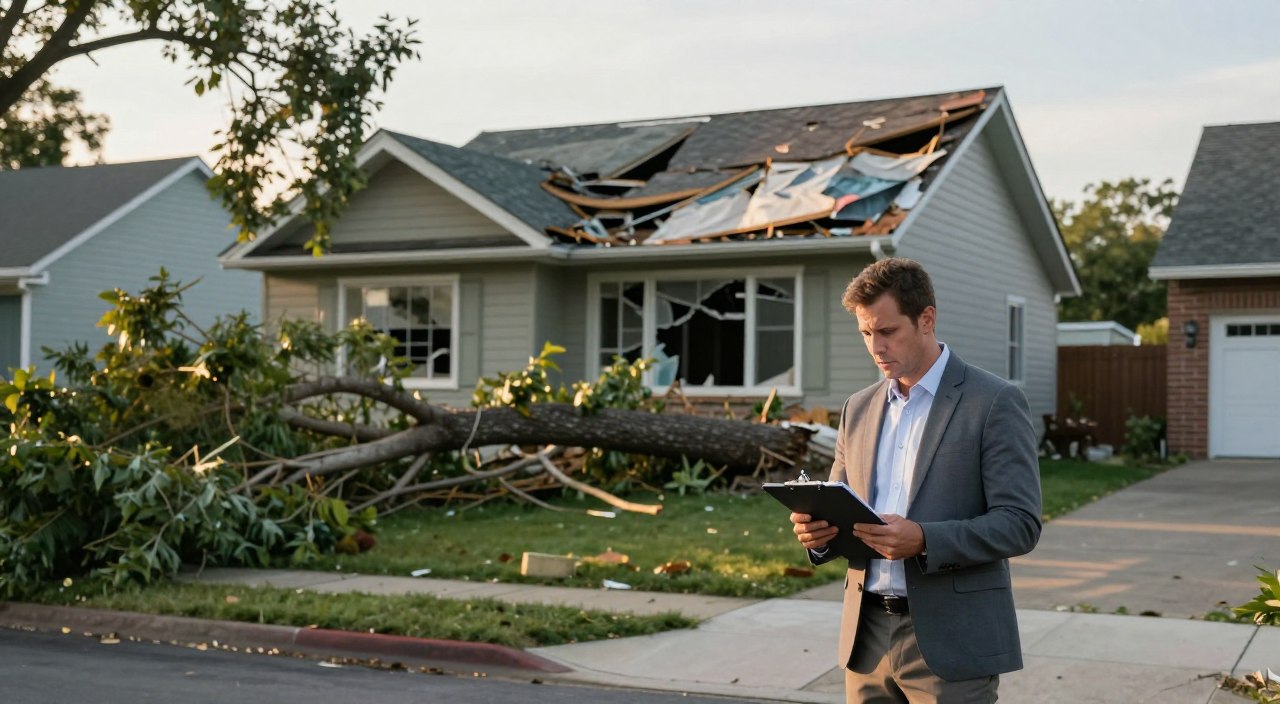
When a neighbor’s tree damages my property, I wonder who pays. It’s important to know about property damage liability.
The rules for neighbor liability for tree damage are different everywhere. In the U.S., these laws change from state to state. This makes things complex.
As a homeowner, knowing my rights is key. This helps me deal with tree damage from a neighbor. It also helps me understand insurance laws better.
Understanding Tree Damage Liability Basics
When a neighbor’s tree damages your property, knowing about tree damage liability is key. This knowledge helps you figure out who is legally responsible. It also helps solve disputes between neighbors.
The «Act of God» Principle in Tree Damage Cases
The «Act of God» principle is a legal rule. It talks about natural disasters or events we can’t control. In tree damage cases, this rule can change who is liable.
How Weather Events Affect Liability
Weather like hurricanes or heavy snow can make trees fall. This can damage nearby properties. If the event was truly unexpected, the property owner might not be blamed.
Documentation Needed for Weather-Related Claims
To prove a weather-related claim, you need solid evidence. Take photos of the damage. Note the weather at the time. Keep records of talks with neighbors or insurance companies.
Healthy Trees vs. Diseased Trees: Legal Distinctions
Healthy trees and diseased trees are treated differently in law. If a diseased tree’s condition is known or should have been known, the owner might be liable.
| Tree Condition | Liability |
|---|---|
| Healthy Tree | Generally not liable unless negligence is proven |
| Diseased Tree | Liable if the owner knew or should have known about the condition |
Property Boundaries and Tree Ownership Determination
Knowing who owns a tree is important. Trees on property lines might be owned by both neighbors.
Learning these basics helps you deal with tree damage issues. It makes you better prepared for disputes or insurance claims.
Tree Damage Neighbor Responsibility Insurance Laws: A Complete Overview
Insurance laws about tree damage and neighbor responsibility are complex. They change from state to state. It’s key for homeowners to know these laws well.
State-by-State Variations in Tree Liability Laws
Tree liability laws vary a lot in the U.S. They show the legal differences in each region. Some states have special laws for tree damage, while others use common law principles.
Northern States’ Approaches to Tree Damage
Northern states have strict rules about tree care and who is liable. For example, in New York, owners are usually to blame for tree damage if they didn’t take care of their trees.
Southern and Western States’ Legal Frameworks
Southern and Western states have different rules for tree damage. Some are more lenient. Knowing these differences helps homeowners with tree damage insurance claims.
Common Law Principles Governing Tree Damage
Common law is important in tree damage cases. It looks at negligence and the care owners must show to neighbors. This affects legal rights regarding tree damage.
Recent Legal Precedents Affecting Neighbor Responsibility
New court decisions have changed how we see tree damage liability. Some decisions have made neighbors more or less responsible. Keeping up with these changes is important for homeowners.
In summary, to understand tree damage neighbor responsibility insurance laws, you need to look at state laws, common law, and recent court decisions.
Determining Fault When a Neighbor’s Tree Causes Damage
When a neighbor’s tree damages your property, figuring out who’s at fault is hard. You need to check if your neighbor was careless with their tree. You also have to know the laws about tree damage and how to keep good records.
Assessing Negligence Standards in Tree Maintenance
To find fault, you must see if your neighbor was careless with their tree. Negligence means not checking the tree often, ignoring problems, or not fixing dangers.
«Negligence is the cornerstone of liability in tree damage cases.» This shows how key it is to know your neighbor’s tree care duties.
Documenting Pre-Existing Tree Issues
It’s important to record any tree problems before damage happens. Take pictures, write notes, and maybe get a tree expert’s opinion.
- Take photographs of the tree from different sides.
- Keep a record of talks with your neighbor about the tree.
- Get a tree expert to check the tree and write a report.
Working with Professional Arborists for Evidence Collection
Tree experts can give key evidence by checking the tree’s health and if it was cared for right. Ask them things like «What signs of neglect did you see?» or «Can you explain the tree’s state?»
What to Ask During an Arborist Inspection
When you get a tree expert, ask the right questions. Ask about the tree’s health, any damage, and what to do next.
Cost Considerations for Professional Assessments
The cost of a tree expert can change based on where you are, how complex the job is, and the expert’s skills. Usually, it costs between $100 to $500 for a detailed check.

By knowing how to spot carelessness, record tree problems, and work with tree experts, you can figure out fault when a neighbor’s tree damages your property.
Homeowner’s Insurance Coverage for Tree Damage
Understanding your homeowner’s insurance for tree damage is key. It’s important to know what your policy covers and what it doesn’t.
Reviewing Your Policy for Tree Damage Coverage
Start by looking at your policy documents. Find sections about tree damage, fallen trees, or damage from trees. Check if your policy covers the cost of tree removal, as this can be a big expense.
«Insurance policies can vary significantly in what they cover regarding tree damage. It’s crucial to read the fine print.»
Understanding Coverage Limits and Exceptions
Insurance policies have limits and exceptions. For example, some may cover storm damage but not neglect or maintenance issues. Knowing these limits helps you understand what your insurance will do.
Additional Riders and Protections Worth Considering
Think about adding riders for extra protection. Riders can provide extra coverage for specific scenarios, like tree removal or fixing your yard.
Fallen Tree Removal Coverage Options
Some policies cover the cost of removing fallen trees. This is great if the tree hurts your property or blocks access.
Landscape Restoration Provisions
Provisions for landscape restoration can help with yard repairs after tree damage. This might include new trees, fixing fences, or other yard work.
| Coverage Type | Description | Typical Coverage Limit |
|---|---|---|
| Tree Removal | Covers the cost of removing fallen trees | $500 – $1,000 |
| Landscape Restoration | Covers restoration costs for damaged landscapes | $1,000 – $5,000 |
| Property Damage | Covers damage to your property caused by trees | Varies by policy |
Knowing your homeowner’s insurance for tree damage helps you file claims right. It makes sure you’re well-protected.
How to File an Insurance Claim for Neighbor’s Tree Damage
Filing an insurance claim for damage from a neighbor’s tree has several steps. Knowing these steps can make the process easier. It also helps get a better outcome.
Immediate Steps to Take Within 24 Hours of Damage
When you find damage from a neighbor’s tree, act fast. Emergency mitigation measures are needed to protect your property.
Emergency Mitigation Measures
- Cover exposed areas with tarps or plastic sheeting
- Board up broken windows or doors
- Remove debris from your property
Photo and Video Documentation Techniques
It’s important to document the damage well. Take clear, dated photos and videos from different angles. This evidence will support your claim.

Gathering Essential Evidence and Documentation
Get all documents related to the damage. This includes repair estimates and witness statements if you have them.
Communicating Effectively with Insurance Adjusters
When talking to insurance adjusters, be ready. Knowing what to ask and watch for can greatly affect your claim’s outcome.
Questions to Ask During the Adjuster’s Visit
- What is the process for assessing the damage?
- How will the adjuster determine the cause of the damage?
- What documentation is required to support my claim?
Red Flags in Adjuster Assessments
Watch out for adjusters who might downplay your damage or deny your claim without checking. Knowing your legal rights regarding tree damage helps you deal with these issues.
Filing a claim for neighbor’s tree damage needs good documentation, quick action, and clear talk with adjusters. By following these steps, homeowners can handle the tree damage insurance claims process well. This protects their property and money.
Navigating Neighbor Disputes Over Tree Damage
Disputes over tree damage can get out of hand fast. It’s key to have a plan to handle them. Knowing how to deal with these issues can help avoid expensive legal fights.
How to Approach Initial Conversations with Neighbors
Start talks with your neighbor calmly and clearly. Keeping your cool can stop things from getting worse.
Sample Scripts for Difficult Discussions
Using a script can help keep the conversation on track. For example: «I wanted to talk to you about the tree on your property. It’s a concern for me, and I’d like to find a solution.»
Timing and Setting Considerations
When and where you talk matters a lot. Try to meet in a neutral place when both are calm.
Step-by-Step Guide to Formal Mediation Processes
If talking doesn’t work, you might need mediation. A neutral third party helps find a solution everyone can agree on.
- Find a mediator: Look for local services that handle neighbor disputes.
- Get ready for mediation: Collect all important documents and evidence.
- Go to the mediation: Be open and ready to find a middle ground.
When and How to Escalate to Legal Action
Going to court should be a last choice. But, it might be needed if other ways don’t work. Knowing your rights is important.
Key Considerations:
- Keep records: Document all talks and evidence.
- Get legal advice: Talk to a lawyer who knows about property disputes.
- Be ready for court: Understand the legal steps and be ready to present your case.

Preventative Measures to Reduce Tree Damage Liability
Homeowners can lower their tree damage risk with simple steps. Taking action early can prevent damage to neighbors’ properties. This helps avoid arguments.
Creating a Regular Tree Maintenance Schedule
Keeping trees in check is key. Prune dead branches and check for disease. Remove trees that can’t be saved. A regular plan keeps trees healthy and safe.
How to Draft Effective Written Notifications About Hazardous Trees
Write to neighbors if you spot a hazardous tree. This warning shows you’ve tried to warn others. It’s a step to protect everyone.
Template Letters for Neighbor Notifications
Use a clear letter to warn neighbors. Describe the tree and its risks. Here’s a sample:
«Dear Neighbor, I’ve found a hazardous tree on my property. It’s near our shared line. The tree is [describe it]. I’m telling you so we both know the risk. I’ll [say what you plan to do, like prune or remove it].»
Certified Mail and Documentation Practices
Send warnings by certified mail. This proves delivery. Keep a copy and the receipt. They’re important for future talks.
Conducting Property Line Assessments for Shared Trees
Check trees that are on both properties. Work with neighbors to check their health. Agree on what to do next.
By taking these steps, homeowners can lower their risk. They also build better relationships with neighbors.
Legal Remedies When Insurance Claims Are Denied
When an insurance claim for tree damage is denied, it’s important to know your legal options. Insurance companies might say no for many reasons. But, this doesn’t mean you’ve lost.
How to Analyze Denial Letters for Appeal Opportunities
The first thing to do is read the denial letter carefully. Insurance companies must explain why they said no. Look for specific reasons and any policy rules they mention.
Key areas to focus on include:
- The specific policy language cited for the denial
- Any inconsistencies or potential misinterpretations of the evidence
- Procedural errors in the handling of the claim
Step-by-Step Insurance Appeal Process Guide
After finding reasons to appeal, follow these steps:
- Review your policy to understand the appeals process
- Gather more evidence to support your claim
- Write a clear, concise appeal letter
Timeline Considerations and Deadlines
Insurance policies have strict appeal deadlines. Knowing these dates is key to keep your appeal alive.
Documentation Requirements for Appeals
Having the right documents is crucial for a good appeal. This includes photos, expert opinions, and repair estimates.
Small Claims Court Procedures for Tree Damage Cases
If appealing fails, you might need to go to small claims court. This means filing a complaint, serving the other side, and arguing your case in court.
Knowing your legal options when insurance claims are denied can help a lot. By carefully reading denial letters, following the appeal process, and being ready for court, you can fight for your rights.
Conclusion
Tree damage laws can be tricky. Knowing who is responsible is key for homeowners. It helps protect their homes and money.
Learning about tree damage liability is important. It helps you figure out who is at fault. Knowing about insurance coverage is also crucial.
Regular tree care and talking to neighbors can prevent problems. This way, you avoid fights over trees.
If a neighbor’s tree damages your property, filing an insurance claim is a good step. Knowing about property damage liability helps you get back what you lost. If insurance says no, knowing your legal rights can help solve the issue.
Being smart about tree damage laws helps you protect your home. It also keeps your relationship with neighbors good.
FAQ
Who is responsible when a neighbor’s tree damages my property?
The neighbor might not always be to blame for tree damage. But, if they were careless with their tree, they could be responsible.
What is considered negligence in tree maintenance?
Negligence means not checking trees often, ignoring signs of sickness, or not fixing known dangers.
How do I determine if my neighbor was negligent in maintaining their tree?
Check the tree’s state before and after damage. Look for signs of sickness or decay. You might also talk to a tree expert.
Does homeowner’s insurance typically cover tree damage?
Yes, insurance usually covers tree damage. But, check your policy to see what’s included.
What steps should I take immediately after a neighbor’s tree damages my property?
Fix the damage to stop it from getting worse. Take pictures and videos. Tell your insurance right away.
How do I file an insurance claim for neighbor’s tree damage?
Collect all your evidence, like photos and videos. Then, call your insurance to start the claim.
What if my insurance claim is denied?
If denied, read the letter for how to appeal. You might need to appeal or go to court.
Can I take my neighbor to small claims court over tree damage?
Yes, if you think your neighbor was careless, you can sue them in small claims court.
How can I prevent tree damage liability?
Keep your trees in good shape. Warn your neighbors about dangerous trees. Check shared trees to avoid problems.
What are some common law principles governing tree damage?
Laws look at negligence, property lines, and tree health to decide who’s at fault.
Are there state-by-state variations in tree liability laws?
Yes, laws about tree damage change by state. Know the laws in your area.