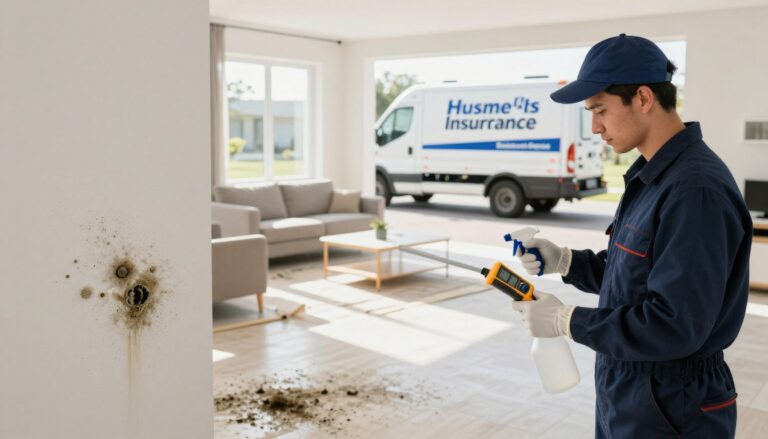

Umbrella Insurance Comprehensive Coverage for Homeowners
As a homeowner, you know how important liability coverage is. But, your standard home insurance might not cover everything. That’s where an umbrella insurance policy comes in. It gives you extra coverage beyond your home insurance.
Having an umbrella insurance policy is a smart move for homeowners. It protects your assets and keeps your finances safe. This policy adds extra liability coverage, making sure you’re ready for anything.
Key Takeaways
- An umbrella insurance policy provides additional liability coverage beyond the standard home insurance policy.
- This extra coverage can help protect homeowners’ assets in the event of a costly lawsuit or accident.
- Having an umbrella insurance policy can be a vital safeguard for homeowners’ financial well-being.
- It’s essential to understand the benefits and limitations of an umbrella insurance policy.
- Homeowners should consider their individual needs when determining the appropriate level of coverage.
Understanding Umbrella Insurance Basics
Umbrella insurance adds extra protection to your stuff. It’s more than just homeowners insurance. It helps keep your money safe from unexpected problems.
What Is Umbrella Insurance?
Umbrella insurance is like extra protection for your stuff. It’s more than your regular homeowners or car insurance. It keeps your things safe from lawsuits or claims.
How Umbrella Insurance Differs from Standard Homeowners Insurance
Standard homeowners insurance has limits. But sometimes, these limits aren’t enough. Umbrella coverage for homeowners helps when you need more. It covers extra costs if you’re found liable for big damages.
The Layered Protection Approach
Umbrella insurance works in layers. Your regular insurance is the first layer. The umbrella policy is the second. It kicks in when the first layer runs out. This way, you get extra protection for your stuff.
So, knowing about homeowner insurance umbrella policies is key. They add extra protection for your money. This way, you’re safe from unexpected problems.
Why Homeowners Need an Umbrella Insurance Policy
Homeowners face many lawsuits and high judgments. An umbrella insurance policy is key. It protects your home and your money.
Asset Protection Beyond Standard Limits
Home insurance has limits. An umbrella policy for home gives more coverage. This keeps your assets safe.
If someone gets hurt at your home and sues, your standard policy might not be enough. An umbrella policy covers more. This protects your savings and other valuables.
Legal Defense Coverage Benefits
Legal defense can cost a lot, even if you’re not guilty. An umbrella insurance policy covers these costs. This includes lawyer fees and court costs.
This is great because it keeps your money safe during legal fights.
Protection Against Modern Liability Risks
Today, homeowners face new risks. These include social media, volunteer work, and teen drivers.
Social Media Liability
Homeowners can face lawsuits for things said online. An umbrella policy covers these claims.
Volunteer Activities
Volunteering can lead to lawsuits. An umbrella policy protects against these risks.
Teen Drivers and Household Members
Teen drivers and others in your home increase your risk. An umbrella policy offers extra protection.

How to Assess Your Need for Umbrella Coverage
Figuring out if you need umbrella coverage is key to protecting your stuff and money. As a homeowner, it’s vital to have the right insurance. This helps keep you safe from big risks and problems.
Evaluating Your Current Insurance Coverage
To see if you need umbrella insurance for homeowners, check your current policies. This means:
- Looking at your policy limits
- Finding out if there are gaps in coverage
- Knowing what your policies cover and what they don’t
Identifying Coverage Gaps
Coverage gaps happen when your policies don’t cover enough. For example, if you have a pool or trampoline, you might face more accident risks. These risks could go over your homeowners insurance limits.
Understanding Policy Limits
It’s important to know your policy limits. If your limits are too low, you could be on the hook for big damages. An home umbrella insurance policy can help cover more than your standard policy.
Identifying Personal Risk Factors
Your personal risks can affect how much umbrella coverage you need. Think about your wealth, lifestyle, and any risks from your property or activities.
Calculating Appropriate Coverage Amounts
To figure out the right coverage, think about your assets, income, and risks. Talking to an insurance expert can help find the best coverage for you.
By looking at your current insurance, understanding your risks, and figuring out coverage, you can decide if you need umbrella insurance for homeowners.
Common Scenarios Where Umbrella Insurance Policy for Homeowners Provides Protection
As a homeowner, knowing when an umbrella policy helps is key. It offers extra protection in many unexpected situations. This can save you from big financial losses.
Serious Accidents on Your Property
If someone gets hurt on your property, you might have to pay for their medical and lost wages. An umbrella policy can give you more coverage than your regular homeowners insurance.
Libel, Slander, and Defamation Claims
In today’s world, claims of libel, slander, and defamation are more common. An umbrella policy can protect you from these claims. Even if you’re not found guilty, defending yourself can be expensive.

Dog Bite Incidents and Animal Liability
If your dog bites someone, you could face legal trouble. An umbrella policy can give you extra coverage for dog bites and other animal-related issues.
Rental Property Liabilities
If you rent out properties, an umbrella policy can protect you. It covers liabilities like tenant injuries or property damage.
Sports and Recreational Activity Incidents
Hosting sports or recreational events can put you at risk for liability. An umbrella policy can offer extra protection in these cases.
| Scenario | Standard Coverage | Umbrella Policy Coverage |
|---|---|---|
| Serious Accidents | Limited to policy limits | Additional coverage beyond standard limits |
| Libel, Slander, Defamation | Often excluded or limited | Coverage for defense costs and damages |
| Dog Bite Incidents | Limited to policy limits | Additional coverage for animal-related liabilities |
Knowing about these scenarios helps homeowners see the value of an umbrella policy. It’s a key way to protect your finances.
Step-by-Step Guide to Purchasing the Right Umbrella Policy
Getting an umbrella policy can seem hard. But, knowing the steps helps. First, you need to know what you need for an umbrella policy.
Meeting Underlying Insurance Requirements
Insurance companies want you to have some liability coverage first. You need at least $300,000 to $500,000 on your homeowners policy. And $250,000/$500,000 on your auto policy.
Determining Appropriate Coverage Limits
Think about your assets when picking a coverage limit. Include your home, savings, and investments. A good rule is to cover all your assets. For example, if you have $1 million in assets, get a $1 million umbrella policy.

Working with Insurance Agents
It’s smart to work with an experienced agent. They can help figure out what you need. They can also find gaps in your coverage and suggest good policies.
Comparing Policy Options and Providers
Look at different umbrella policies carefully. Check the coverage limits, deductibles, and what’s not covered. Also, look at the provider’s reputation, customer service, and how they handle claims.
| Provider | Coverage Limit | Deductible | Premium |
|---|---|---|---|
| Provider A | $1 million | $0 | $150/year |
| Provider B | $2 million | $0 | $250/year |
| Provider C | $5 million | $0 | $500/year |
By following these steps and looking at your options well, you can get a great umbrella insurance policy. It will protect your assets well.
Understanding the Cost Factors of Umbrella Insurance
As a homeowner, knowing about umbrella insurance costs is key. It adds extra protection beyond your regular homeowners insurance. Knowing the cost helps you make smart choices.
Average Premium Ranges in the United States
In the U.S., umbrella insurance costs vary. On average, it’s $150 to $500 a year for $1 million coverage. For example, someone in a safe area might pay $200 a year. But, if you live in a riskier area or have more to protect, it could be more than $500.
Factors That Affect Pricing
Many things can change how much umbrella insurance costs. Knowing these can help you plan and maybe save money.
Location and Property Considerations
Your location affects your umbrella insurance price. Places with natural disasters or high crime rates cost more. Also, your property’s value and type can change your insurance cost.
Personal Risk Factors
Personal factors also play a part. Your claims history, credit score, and certain features like pools or trampolines can raise costs. For instance, a history of claims means you’re seen as a higher risk.
Cost-Benefit Analysis for Different Coverage Levels
Choosing the right umbrella coverage level needs careful thought. You must weigh the extra cost against the extra protection. For many, the extra peace of mind and security are worth it.
In short, knowing about umbrella insurance costs is crucial for homeowners. By looking at average costs, what affects them, and doing a cost-benefit analysis, you can choose the best coverage for you.
How to Integrate Umbrella Coverage with Existing Policies
To get the most from your insurance, learn how to mix umbrella insurance with your current policies. This mix helps protect you from many risks and problems.
Coordination with Homeowners Insurance
Start by linking your umbrella coverage with your homeowners insurance. Make sure your homeowners policy is strong enough. It should cover damage to your home and accidents that happen there.
Coordination with Auto Insurance
Also, connect your umbrella coverage with your auto insurance. Your auto policy should have enough liability coverage for your umbrella policy. This double layer of protection helps in serious car accidents.
Key Considerations:
- Check your current policies to know their limits and what they don’t cover.
- Make sure your underlying policies (home and auto) have enough for umbrella coverage.
- Change your coverage limits if needed to avoid gaps or too much overlap.
Addressing Coverage Gaps
Umbrella insurance is great for filling gaps in your current coverage. Find where your policies might be missing and make sure your umbrella covers those spots.
Avoiding Duplicate Coverage
When mixing umbrella coverage, it’s key to not have the same coverage twice. Look at your current policies to see where they might overlap. Then, adjust your umbrella policy to avoid paying for the same thing twice.
By carefully mixing your umbrella insurance with your current policies, you can build a strong insurance plan. This plan will protect you from many risks.
Important Exclusions and Limitations to Be Aware Of
A home umbrella insurance policy protects you well, but there are important things it doesn’t cover. It’s key to read your policy papers to know what’s not included.
Business-Related Liabilities
Most home umbrella policies don’t cover business-related issues. If you run a business from home, you might need a special business insurance.
Intentional Acts and Damages
Umbrella policies don’t cover damages from acts you did on purpose. If you cause harm or damage on purpose, your policy won’t help with the claims.
Contractual Liabilities
Liabilities from contracts or agreements are usually not covered. It’s important to check your contracts and know your risks.
Professional Services
Liability from professional services or advice is not covered by a standard umbrella policy. Professionals might need special insurance for this.
Warning Signs Your Policy May Not Cover You
Watch out for these signs your policy might not cover you: clauses that exclude certain activities, high-risk assets not listed, and not meeting insurance needs.
| Exclusion Type | Description | Recommended Action |
|---|---|---|
| Business-Related Liabilities | Liabilities arising from business activities conducted from home. | Secure a separate business insurance policy. |
| Intentional Acts | Damages or harm caused intentionally. | Understand that these acts are not covered; consider other risk management strategies. |
| Contractual Liabilities | Liabilities assumed through contracts or agreements. | Review contracts carefully and consider additional coverage if necessary. |
How to File a Claim Under Your Umbrella Policy
When something unexpected happens, knowing how to file a claim is key. This is true for your umbrella policy for homeowners insurance. It helps you get the financial protection you need.
When to Notify Your Umbrella Insurer
Notify your insurer right away after an incident. Waiting too long can cause problems or even deny your claim. Prompt action starts the claims process quickly.
Required Documentation and Evidence
Getting the right documents is very important. You’ll need:
- Details of the incident
- Police or incident reports
- Medical reports (if applicable)
- Witness statements
- Photographic evidence
| Documentation Type | Description | Importance Level |
|---|---|---|
| Incident Details | Date, time, and description of the incident | High |
| Police Reports | Official report filed with the police | High |
| Medical Reports | Documentation of injuries sustained | Medium |
The Claims Process Timeline
The time it takes to process a claim varies. It depends on the case’s complexity and the insurer’s speed. You can expect these stages:
- Initial claim assessment
- Investigation
- Settlement or denial
Working with Attorneys and Claims Adjusters
You’ll often work with attorneys and claims adjusters. It’s important to know their roles.
Filing a claim needs careful preparation. Knowing the process helps you get a better outcome.
Practical Tips for Maximizing Your Umbrella Insurance Benefits
Umbrella insurance can really help homeowners. But, you need to use it right. This means checking your policy often and changing it when your life changes.
Scheduling Regular Policy Reviews
It’s important to check your umbrella insurance often. You should do this every year or when big things happen in your life.
Life Event Triggers for Coverage Adjustments
Some life events might mean you need to change your homeowners umbrella policy. These include:
Home Renovations
- Big home changes can make your house worth more. This might mean you need more insurance.
Wealth Accumulation
- As you get richer, you might face more lawsuits. It’s key to update your coverage to keep your money safe.
Family Changes
- Changes in your family, like more kids or older relatives, can raise your risk of being sued.
Risk Mitigation Strategies to Lower Premiums
There are ways to lower your premiums and get better protection. Here are a few:
- Make your home safer
- Teach your family about risks
- Keep your credit score up
By doing these things, you might save money on insurance. And you’ll get more protection too.
Conclusion
As a homeowner, it’s key to have the right insurance. Umbrella insurance adds extra protection. It helps cover big financial losses from unexpected events.
We talked about umbrella insurance basics and its benefits. It works well with your homeowners insurance. We also looked at how to know if you need it and how to get it.
Umbrella policies give you a lot of coverage. They help with legal costs and damages from accidents. Adding umbrella coverage to your policies can make you feel safer.
Check your insurance now. Think about getting a homeowner insurance umbrella policy. It can help protect your assets and secure your future.
FAQ
What is the primary purpose of an umbrella insurance policy for homeowners?
An umbrella insurance policy helps protect homeowners’ assets. It gives extra coverage beyond what their home insurance offers. This is for lawsuits or other claims.
How does umbrella insurance differ from standard homeowners insurance?
Umbrella insurance offers more protection than standard homeowners insurance. It kicks in when the standard policy’s limits are reached. This gives broader protection against many risks.
What types of liability risks are covered under a homeowner’s umbrella insurance policy?
This policy covers many risks. These include bodily injury, property damage, and libel. It also covers slander and other personal risks not in standard policies.
Can I purchase umbrella insurance if I don’t have a home insurance policy?
Usually, you need a home insurance policy to buy an umbrella policy. Insurance companies want to see you have a primary policy. This is because the umbrella policy adds extra protection.
How do I determine the appropriate amount of umbrella insurance coverage for my needs?
To find the right coverage, think about your finances and risks. Look at your assets, income, and potential risks. Talking to an insurance expert can help you choose the right amount.
Are there any exclusions or limitations to umbrella insurance coverage that I should be aware of?
Yes, there are exclusions and limits. These include business liabilities, intentional acts, and some contractual liabilities. Always check your policy to know what’s covered and what’s not.
How does the claims process work under an umbrella insurance policy?
To file a claim, tell your insurer right away. You’ll need to give them documents and evidence. Then, adjusters and lawyers will help solve the claim, following your policy’s steps.
Can I adjust my umbrella insurance coverage over time as my circumstances change?
Yes, you can change your coverage as your life changes. This includes big events like home updates or family changes. Just review and update your policy with your insurer.