
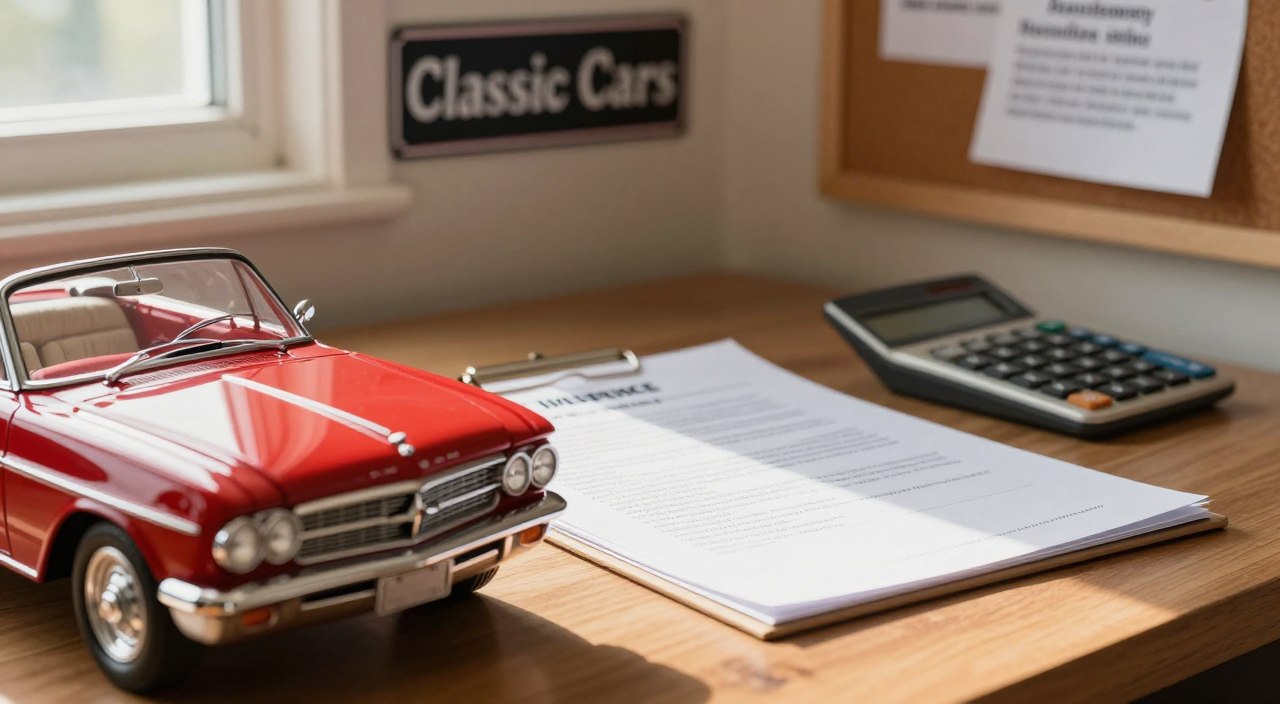
Classic Car Insurance: Mileage Limits Explained
If you own a classic car, knowing about your insurance is very important. A big part of this is the mileage limits in your policy.
Mileage limits are very important for classic car insurance. They affect how much your car is worth and your insurance.
Knowing about these limits helps you stay insured and keep your car’s value up. It’s key to check your policy and know the mileage limits for your car.
Key Takeaways
- Understand the mileage limits associated with your classic car insurance policy.
- Review your policy to ensure you’re aware of the specific mileage limits that apply.
- Maintaining your vehicle’s value is crucial, and mileage limits play a significant role.
- Proper insurance coverage is essential for classic car owners.
- Mileage limits can impact your insurance coverage and premiums.
What Classic Car Insurance Mileage Limits Mean for Owners
Knowing about classic car insurance mileage limits is key for owners. It lets them use their cars without breaking the rules. These limits make classic car insurance different from regular auto insurance.
Definition and Basic Concepts
Classic car insurance mileage limits are about how many miles a car can drive each year. This keeps the insurance valid. Most policies say you can drive between 1,000 to 5,000 miles a year. Antique vehicle coverage boundaries are stricter because of the car’s age and value.
How These Limits Differ from Standard Auto Insurance
Standard auto insurance doesn’t have mileage limits. But classic car insurance does. It’s for cars that don’t drive much. The retro car policy limitations help keep the car for special uses, not daily driving.
Knowing these limits helps classic car owners use their cars right. It keeps them in line with their insurance rules.
Why Insurance Companies Impose Mileage Restrictions
Insurance companies have rules about how many miles classic cars can go. They do this for good reasons. Knowing why helps classic car owners understand these rules better.
Preserving Vehicle Value and Collectibility
One big reason is to keep the car’s value high. Cars with low miles are seen as more valuable and rare. A study by the Classic Car Club of America shows cars with less than 2,500 miles a year keep their value better.
Reducing Accident Risk and Exposure
Another reason is to lower the chance of accidents. Since classic cars are driven less, they’re less likely to crash. As Mark Twain said, «The reports of my death are greatly exaggerated.» For classic cars, being driven less really means less risk.
«The fewer miles a classic car is driven, the lower the risk of it being involved in an accident.»
Historical Reasons for Limited-Use Policies
Classic car insurance has always been for cars not driven every day. This idea has been around since the start of car insurance. It’s why we have rules about how many miles a classic car can go.
| Reason | Description | Impact |
|---|---|---|
| Preserving Value | Limited mileage indicates better condition | Higher resale value |
| Reducing Risk | Less driving means fewer accidents | Lower insurance claims |
| Historical Context | Classic cars not for daily use | Shaped current insurance policies |
Knowing these reasons helps classic car owners make the right choices. They can follow their insurance policy’s rules about mileage.
Typical Classic Car Insurance Mileage Limits in the Market
Classic car owners must know the mileage limits set by their insurance. These limits are key to using your vintage vehicle without breaking the rules.

Standard Industry Caps
Most insurance companies limit classic car mileage to 1,000 to 5,000 miles a year. Some cap it at 2,500 miles yearly. Knowing these antique auto insurance mileage limits helps you follow your policy.
Variations Between Major Insurance Providers
Insurance companies have different mileage limits. Some that focus on classic cars might be more flexible. Always check your policy to see your specific limit.
Regional Differences Across the United States
Mileage limits can change by region in the U.S. For example, places with lots of classic cars might have looser limits. But areas with strict rules might have tighter limits.
In short, knowing the typical mileage limits for classic car insurance is crucial. It helps owners use their cars while keeping their insurance valid.
How to Find and Interpret Your Policy’s Mileage Limitations
Looking into your classic car insurance policy shows how key mileage limits are. As a classic car owner, knowing these limits is vital. It helps you stay in line and avoid insurance problems.
Locating the Information in Your Policy Documents
To find the mileage limits, start by looking at your policy documents carefully. The mileage limit is usually in sections about policy conditions or coverage. If you can’t find it, try these steps:
- Check the policy declarations page
- Review the coverage details section
- Look for any endorsements or amendments
Decoding Insurance Terminology and Fine Print
Insurance policies have complex terms. When you look at your policy, watch for terms about mileage limits. Understanding these terms is key to interpreting your policy correctly.
Questions to Ask Your Insurance Representative
If you’re not sure about your policy’s mileage limits, talk to your insurance rep. Make a list of questions to get clear answers, like:
| Question | Purpose |
|---|---|
| What is the exact mileage limit for my policy? | To understand the specific mileage cap |
| How is mileage tracked and reported? | To know the methods used for verification |
| What are the consequences of exceeding the mileage limit? | To be aware of potential penalties or policy changes |
By following these steps, you can understand your classic car insurance mileage limits well. This keeps your relationship with your insurance provider good.
Step-by-Step Guide to Tracking Your Classic Car’s Mileage
Tracking your classic car’s mileage is key to keep your insurance valid. As a classic car owner, watching your car’s use is crucial. This helps avoid problems with your insurance.
Setting Up Digital Tracking Systems and Apps
Using digital tools and apps is a smart way to track your car’s mileage. Many apps and devices can help you log your car’s miles easily. Some top picks include:
- Mileage tracking apps like MileIQ or TripLog
- GPS devices made for cars
- Smartphone apps that link to your car’s OBD-II port
These tools make tracking your car’s miles easy and less prone to mistakes.

Creating and Maintaining Traditional Mileage Logs
If you like old-school methods, keeping a mileage log works well. Just write down your car’s odometer reading, the date, and any special trips. Here’s what a mileage log might look like:
| Date | Odometer Reading | Trip Details |
|---|---|---|
| 2023-01-01 | 10,000 miles | Initial reading |
| 2023-02-15 | 10,200 miles | Trip to car show |
| 2023-03-31 | 10,500 miles | Spring drive |
Documentation Practices That Satisfy Insurance Requirements
Keeping accurate records of your car’s mileage is vital. Store receipts for any car work or repairs. Also, keep records of where your car is stored and how it’s used. This shows you follow your insurance policy.
By using these tracking methods, you can enjoy your classic car. You’ll also stay within your insurance’s rules, including antique vehicle coverage boundaries and historical automobile insurance guidelines.
Understanding the Consequences of Exceeding Your Mileage Limits
It’s important to know what happens if you go over your car’s mileage limit. Going over can cause problems like policy issues, higher costs, and even denied claims.
Policy Violation Outcomes
Going over your mileage limit is a big no-no. It means you broke your insurance contract. This could lead to your policy being canceled or not renewed.
Some insurance companies might be more forgiving. But, it’s not smart to count on this.
How Premium Increases Are Calculated
If you go over your mileage limit, your insurance might raise your rates. They look at how much you’ve driven and the risk of accidents or damage.

Claim Denial Scenarios and Legal Implications
Going over your mileage limit can also mean your claim might be denied. Insurers might say you’re not covered because you broke the rules. This could lead to expensive legal fights.
It’s very important to know that legal problems can be serious. You could end up paying for damages or injuries yourself.
Methods Insurers Use to Verify Your Mileage
Insurers check your mileage in different ways. They might:
- Look at your odometer during policy renewal or checks
- Check service records from mechanics or dealerships
- Use digital tracking devices or apps if you agree
Knowing how they check mileage can help you stay within your policy’s rules.
In short, sticking to your classic car insurance mileage limits is key. It helps avoid policy problems, higher costs, and legal trouble. By understanding these limits, you can enjoy your vintage car safely and within the agreed terms.
How to Negotiate Better Mileage Terms with Your Insurance Provider
It’s important to know how to talk to your insurance about mileage limits. This is key for classic car owners who want to use their cars more. You might know about the mileage limits your insurer has. But, it’s hard to change these limits without the right steps.
Building a Compelling Case for Higher Limits
To get better mileage limits, you need a strong reason. Show that you take good care of your car. Collect maintenance records and repair history. Also, if your car is rare or historic, say so. Insurers might be more willing to help.
Using your driving history can also help. A clean driving record shows you’re safe to insure. Have your driving history ready, including any past insurance documents.
Using Your Driving History as Leverage
Your driving history is a strong point. Insurers like drivers with clean records. So, show them your history. Have proof like letters from old insurers.
Timing Your Negotiation for Maximum Success
When you talk to your insurer matters a lot. It’s best to talk when your policy is up for renewal. Insurers might be more willing to change things then. Be ready to make your case at this time.
Documentation to Prepare Before Negotiations
Before you talk, get your documents ready. You’ll need:
- Maintenance records for your vehicle
- Driving history reports
- Evidence of your car’s value or collectibility
- Details of any modifications or upgrades
With good preparation and a strong case, you can get better mileage terms. This way, your insurance will fit your needs better.
Exploring Alternative Insurance Options for High-Mileage Classic Cars
If you love driving your classic car a lot, you might need a different insurance plan. Regular classic car insurance has limits on how much you can drive. This can be a problem if you like to drive your car often.
Regular Auto Insurance with Classic Car Endorsements
One option is to get regular auto insurance with a special classic car add-on. This can let you drive more without limits. But, make sure you know what the add-on covers.
Specialized High-Mileage Classic Policies
Some companies have special insurance for classic cars that you drive a lot. These policies are made for people who drive their cars more than usual.
Car Club and Association Insurance Programs
Being part of a car club or association can also help. They often have insurance plans just for classic car owners.
Cost Comparison Between Different Options
| Insurance Option | Average Annual Premium | Mileage Limitations |
|---|---|---|
| Regular Auto with Classic Endorsement | $800-$1,200 | None or flexible |
| Specialized High-Mileage Classic | $1,000-$1,500 | Higher limits or none |
| Car Club/Association Insurance | $600-$1,000 | Varies by program |
When picking insurance, look at the cost, coverage, and how much you can drive.
Knowing about these options and their costs helps you choose the best one for you. This way, you can drive your classic car as much as you want.
Practical Strategies for Staying Within Your Classic Car Insurance Mileage Limits
To enjoy your classic car, you need to manage your miles well. This means planning, using other cars, and making the most of your limited miles.
Creating an Annual Driving Calendar
Make a yearly driving plan. Plan trips for car shows, maintenance, and fun drives. This way, you can enjoy your car without going over your limit.
Implementing Alternative Transportation Plans
Use other cars for daily trips or long journeys. This could be a modern car or public transport. Save your classic car for special times to cut down on miles.
Maximizing Enjoyment from Limited Miles
Make every drive special. Try to do many things in one trip. Choose beautiful routes to make driving more fun.
Seasonal Planning Tips
Change how you drive with the seasons. Do longer trips when the weather is good. Shorter trips are better for bad weather. This way, you enjoy your car all year without going over your limit.
With these tips, you can love your classic car and follow your insurance rules. Good planning and creativity help you enjoy your car while keeping within your insurance limits.
Special Considerations for Different Types of Classic Vehicles
Classic cars come in many shapes and sizes. Each one has its own insurance needs. It’s important for owners to find the right coverage for their car.
Vintage Sports Cars vs. Classic Sedans
Vintage sports cars and classic sedans need different insurance. Sports cars are fast and might cost more to insure. They could be at higher risk for accidents.
Muscle Cars and Their Unique Insurance Requirements
Muscle cars are known for their strong engines. They need special insurance because of their high value and power. Insurers have specific rules for these cars.
Antique Vehicles (Pre-1930s)
Old cars from before the 1930s need special insurance. They are rare and valuable. Insurers offer special policies for these cars.
Modified Classics and Custom Builds
Modified classics and custom builds face unique insurance challenges. Owners must make sure their insurance covers the changes. These changes can make the car more valuable.
Insuring classic cars requires understanding their unique features. This includes their age, condition, and how fast they go. Knowing these details helps owners get the right insurance for their cars.
Conclusion: Balancing Classic Car Enjoyment with Insurance Requirements
As a classic car owner, knowing your car’s mileage is very important. It helps keep your insurance right. The mileage cap in your policy is key to keeping your car’s value high and risks low.
We’ve looked at how classic car insurance works. This includes why there are mileage limits, how to keep track of them, and what happens if you go over. Knowing these things helps you enjoy your car while staying within your insurance rules.
It’s important to balance the fun of driving your classic car with following insurance rules. This way, you protect your car and keep enjoying it. Whether it’s a vintage sports car or an antique sedan, knowing and following your policy’s mileage limits is crucial for peace of mind.
FAQ
What are classic car insurance mileage limits?
Classic car insurance mileage limits are rules on how many miles you can drive your classic car each year. These rules change with each insurance company and policy.
Why do insurance companies impose mileage limits on classic cars?
Insurance companies set mileage limits to keep your car’s value and collectibility high. They also want to lower accident risks and keep your car’s history intact. This makes your insurance cheaper.
How do I find the mileage limit in my classic car insurance policy?
Look in your policy documents, in the terms and conditions section. If you’re still unsure, call your insurance agent for help.
Can I negotiate the mileage limit with my insurance provider?
Yes, you can talk about changing the mileage limit. Gather your driving history and car usage info. Timing your talk can also help.
What happens if I exceed my classic car insurance mileage limit?
Going over your limit can lead to policy problems, higher premiums, or denied claims. Insurers might check your car’s mileage during inspections or when you file a claim.
Are there alternative insurance options for high-mileage classic cars?
Yes, you can get regular auto insurance with a classic car add-on. Or, look into high-mileage classic policies or car club insurance. Compare to find the best fit for you.
How can I stay within my classic car insurance mileage limit?
Make a yearly driving plan and use other ways to get around. Enjoy your limited driving time. Planning by season can also help you stick to your policy.
Do different types of classic vehicles have different insurance requirements?
Yes, different classic cars like sports cars or muscle cars might need special insurance. Knowing these differences is key for the right coverage.
Can I use digital tools to track my classic car’s mileage?
Yes, digital tools and apps can help track your car’s miles. Keeping accurate records is important for meeting insurance rules and proving you followed your policy.
How do insurers verify the mileage of my classic car?
Insurers check mileage through odometer readings during inspections or when you file a claim. They might also ask for your car’s maintenance records.