
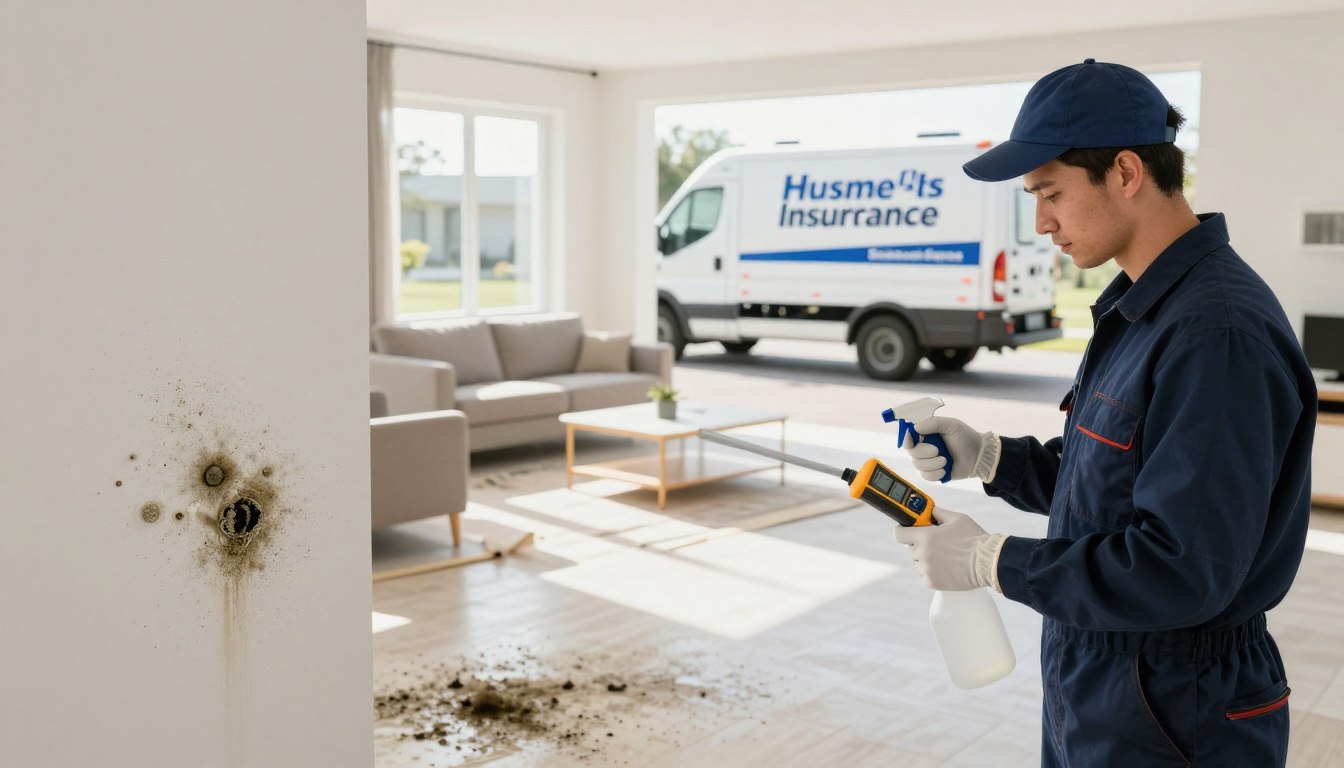
Does Homeowners Insurance Cover Mold Removal?
Finding mold in your home is stressful. You worry about health risks and expensive fixes. You might wonder if your homeowners insurance pays for mold removal.
It’s key to understand your insurance in these times. Policies differ, but knowing what’s covered is vital. I’ll guide you through homeowners insurance and mold removal costs.
Let’s look at your policy and what you need to know about mold removal coverage.
Understanding Mold and Its Impact on Your Home
Being a homeowner means knowing about mold and its effects. Mold can grow almost anywhere. It’s not just about looks; it can harm your health and home.
Common Types of Household Mold
Many types of mold can be in homes. You might find Aspergillus, Cladosporium, and Stachybotrys chartarum, or black mold. Each type is different and can pose health risks.
Toxic vs. Non-Toxic Varieties
Not all mold is bad. Some, like Stachybotrys chartarum, are toxic. Knowing the difference helps you understand the danger mold can be.
Health Risks Associated with Mold Exposure
Mold can cause health problems. These include allergies, breathing issues, and even brain problems. The elderly and young kids are more at risk.
How Mold Damages Your Property Structure
Mold can weaken your home’s structure. It breaks down wood and drywall. If not stopped, it can cause expensive repairs and dangers.
The Basics of Homeowners Insurance Coverage
To deal with mold insurance claims, you need to know the basics of homeowners insurance. It protects your home and money from many risks. This includes damage to your property and accidents on your land.
Standard Coverage Components
A standard homeowners insurance policy has several main parts:
- Dwelling coverage: Covers your home’s structure, like walls and roof.
- Personal property coverage: Protects your stuff, like furniture and clothes.
- Liability coverage: Helps if someone gets hurt on your property.
- Additional living expenses coverage: Pays for a temporary home if yours is damaged.
Knowing these parts is key when you file insurance claims for mold removal.
Typical Exclusions in Homeowners Policies
Homeowners insurance covers many risks, but not all. Some things it doesn’t cover include:
- Maintenance-related issues: Damage from not taking care of your home.
- Flood damage: You need a special flood insurance policy for this.
- Earthquake damage: You need a special earthquake insurance policy for this too.
Anti-Concurrent Causation Clauses
Some policies have anti-concurrent causation (ACC) clauses. These clauses can make claims tricky. They say if a loss is from both covered and excluded causes, you can’t get coverage. It’s important to know about these clauses, like when dealing with mold damage.
Does Homeowners Insurance Cover Mold Removal?
Whether homeowners insurance covers mold removal is complex. It depends on many factors. Insurance policies vary a lot, and mold removal has its own rules.
General Coverage Rules for Mold Claims
Homeowners insurance might cover mold removal if it’s caused by a covered event. It’s important to check your policy to see what’s covered.
Most policies need the mold to be caused by an insured event. For example, if mold comes from a leaky roof that wasn’t fixed, it might not be covered. But, if mold is from sudden water damage, it could be.
Policy Limitations and Coverage Caps
Even if your policy covers mold removal, there are limits. Some policies have a cap on how much they’ll pay for mold removal. This cap can be $5,000 to $10,000 or more, depending on the insurance company.
It’s key to know these limits and how they apply to you. Also, some policies need extra riders or endorsements for full mold coverage.
When Mold Damage Is Typically Covered
Mold damage coverage is key in homeowners insurance. Many need to know about it. Policies cover mold if it comes from a covered event.
Sudden and Accidental Water Damage Scenarios
Mold damage is often covered if it comes from sudden water damage. This includes many water problems in your home.
Burst Pipe Examples
If a pipe bursts, causing water to leak and mold, your insurance might help. Act fast to get coverage.
Appliance Failure Cases
Also, if an appliance fails and causes water damage and mold, your insurance might help. Always check your policy to know what’s covered.
Other Covered Perils That Lead to Mold
Other things that can cause mold include roof leaks, storm damage, and sewage backups. In these cases, the insurance usually pays for mold removal. It’s important to document the damage well for your claim.
The Insurance Information Institute says, «Most homeowners insurance covers mold damage from hazards like burst pipes or roof leaks.» This shows why knowing your policy is crucial.

Common Situations Where Mold Claims Are Denied
Insurance claims for mold damage can be denied for several reasons. Homeowners need to know these to avoid problems. This knowledge can help them prepare and possibly avoid denials.
Maintenance-Related Mold Issues
Insurance often denies claims for mold due to poor maintenance. This includes not fixing leaks or not having enough ventilation. For example, not fixing a leaky roof can lead to a denied claim.
Long-Term Exposure and Homeowner Negligence
Long-term moisture can cause mold and lead to claim denials. If a homeowner is slow to fix a moisture problem, the claim might be denied. This is true if they knew about a plumbing issue but didn’t fix it quickly.
Pre-Existing Mold Conditions
Insurance doesn’t cover mold that was there before the policy started. Homeowners must tell the truth about any mold before it happens. If they don’t, their claims might be denied.
Here’s a table showing why mold claims are often denied:
| Reason for Denial | Description | Example |
|---|---|---|
| Maintenance-Related Issues | Neglecting maintenance tasks that lead to mold growth. | Failing to fix a leaky roof. |
| Long-Term Exposure and Negligence | Failing to address moisture issues promptly. | Ignoring a plumbing leak. |
| Pre-Existing Conditions | Mold present before the insurance policy or incident. | Not disclosing previous mold issues. |
Insurance experts say knowing your policy and keeping your home in good shape is key. «Regular checks and fixing problems early can help avoid mold claim denials,» says an insurance expert.
Step-by-Step Guide to Filing a Mold Damage Insurance Claim
Filing a mold damage insurance claim has several steps. Homeowners need to know these steps well. This ensures a successful claim.
Documenting the Damage Thoroughly
Start by documenting the mold damage. Take clear photos and videos of the affected areas.
Taking Effective Photos and Videos
Make sure your photos are well-lit. They should show the damage clearly. Videos can help show the size of the damage and what might have caused it.
Contacting Your Insurance Provider Properly
After documenting the damage, contact your insurance provider. Be ready to give detailed information about the damage and what you’ve done so far.
Working with Insurance Adjusters
An insurance adjuster will be assigned to your case after you file. Be helpful and give them any extra information they ask for. Keep a record of all your talks with the adjuster.
Following Up on Your Claim
After talking to the adjuster, keep up with your claim. Regular follow-ups can speed things up. Here are some important things to remember:
- Check your claim’s status often.
- Be ready to give more documents.
- Keep a record of all your talks.
Filing a mold damage insurance claim takes patience and effort. By following these steps and keeping clear records, you can get a better chance at mold removal reimbursement.
Immediate Steps to Take When You Discover Mold
When you find mold, you must act fast. Quick action can help a lot. It can also affect your mold removal insurance eligibility.
Containment Measures to Prevent Spread
To stop mold from spreading, you need to contain it. Here’s what to do:
- Use plastic sheets or tarps to isolate the area.
- Control air flow with fans, directing it outside if you can.
- Don’t use vacuums without HEPA filters, as they can spread spores.
Stopping mold from spreading is key. It helps avoid health problems and damage.
Professional Assessment vs. DIY Testing Options
Homeowners have two choices for mold assessment: a professional or DIY kits. DIY kits can give you a start, but they’re not as detailed as a pro’s.
A professional can tell you what kind of mold you have. They can also see how bad it is and suggest how to fix it. A mold expert says, «A detailed check is vital for the right mold removal plan.»
«A thorough assessment is critical in determining the best course of action for mold removal.»
DIY testing is cheap to start, but it has limits. For a full check, getting a pro is best.
The Mold Remediation Process Explained
Mold remediation is more than just removing mold. It’s about making your home safe and healthy again. Knowing the steps from start to finish is key.
First, experts check the mold area to see how big it is. This helps them plan how to fix it. They use special steps to stop mold from spreading.
Professional Remediation Steps and Protocols
Experts follow important steps to fix mold. They start by sealing off the area to keep mold spores from spreading. They use special air filters to clean the air.
Then, they remove moldy materials and clean everything. This makes sure your home is safe and healthy again.

Expected Costs and Timeframes for Completion
The cost to fix mold can change a lot. It depends on how much mold there is and how big the area is. Costs can range from $500 to $6,000 or more.
How long it takes also changes. It can be a few days or up to several weeks. This depends on how big the job is.
| Extent of Mold Growth | Average Cost | Timeframe |
|---|---|---|
| Small | $500-$1,000 | 1-3 days |
| Moderate | $1,000-$3,000 | 3-7 days |
| Large | $3,000-$6,000+ | 1-2 weeks or more |
Supplemental Insurance Options for Better Mold Coverage
It’s important to know about extra insurance for mold. Standard homeowner insurance might cover some mold damage. But, it often has limits and things it doesn’t cover.
To get better protection, look into these extra insurance options:
- Mold Riders and Policy Endorsements: Some companies let you add mold riders or endorsements. These add more coverage for mold removal and damage.
- Flood Insurance: Mold often comes from water damage. So, having flood insurance is key. It covers water damage and helps stop mold from growing.
Mold Riders and Policy Endorsements
Mold riders are special add-ons for your policy. They boost your mold coverage. Look at the terms, like what mold is covered and how much you can get back.
Flood Insurance and Its Mold Protection Benefits
Flood insurance is also very important. It covers damage from floods, which can lead to mold. It helps fix water damage, which stops mold. Some flood insurance also covers mold removal after a flood.
When looking at extra insurance, talk to your provider. They can tell you what’s available. They can also explain how these options can help with mold removal.
Preventing Mold to Avoid Insurance Issues
Stopping mold before it starts can save homeowners from insurance headaches. Knowing how to prevent mold helps keep homes safe and avoids insurance claims.
Effective Moisture Control in Your Home
Stopping mold starts with controlling moisture. Make sure your home breathes, like in bathrooms and kitchens. Fans and dehumidifiers help a lot.
The EPA says, «controlling moisture stops mold.»
«Fixing leaks, drying wet spots, and keeping air flowing are key to stopping mold.»
| Moisture Control Measure | Benefits |
|---|---|
| Using Exhaust Fans | Reduces moisture in bathrooms and kitchens |
| Dehumidifiers | Lowers humidity in damp places |
| Regular Leak Checks | Prevents water damage |
Regular Maintenance and Inspection Schedules
Keeping up with maintenance stops mold. Check for water damage, clean gutters, and care for your HVAC. These steps lower mold risk a lot.

Using these tips, homeowners can stop mold and stay covered by their insurance. Regular checks and upkeep can prevent big insurance problems.
What to Do If Your Mold Claim Is Denied
When a mold claim is denied, homeowners need to know how to proceed. Understanding the reasons behind the denial and the subsequent steps can help you navigate this challenging situation effectively.
Understanding Denial Reasons
The first step is to comprehend why your mold claim was denied. Common reasons include policy exclusions, lack of sufficient evidence, or the claim being filed outside the policy’s coverage period. Reviewing your policy documents and the denial letter carefully can provide insights into the specific reasons.
Appeal Process Steps
If you believe your claim was wrongly denied, you can appeal the decision. Start by contacting your insurance provider to discuss the denial and understand their appeals process. It’s crucial to gather additional evidence or documentation that supports your claim. This might include professional assessments or records of previous claims related to the issue.
| Appeal Step | Description |
|---|---|
| 1. Review Denial Letter | Understand the reasons for denial |
| 2. Gather Evidence | Collect supporting documents and assessments |
| 3. Contact Insurer | Discuss the denial and appeal process |
When to Seek Legal Assistance
If the appeal is unsuccessful, or if you’re unsure about how to proceed, seeking legal assistance may be necessary. An attorney specializing in insurance claims can provide guidance on your rights and the best course of action to ensure you receive the mold damage coverage or mold removal reimbursement you’re entitled to.
Conclusion
Knowing if homeowners insurance covers mold removal is key for homeowners with mold problems. We’ve looked at mold, its effects on homes, and insurance basics. We also talked about when mold removal is covered or not.
Whether your insurance covers mold removal depends on why the mold is there. If it’s from sudden water damage, your insurance might help. But, if it’s from upkeep or long-term moisture, you might not get help.
Think about getting extra insurance for mold or flood damage. Keeping your home dry and well-maintained helps prevent mold. This way, you avoid insurance problems.
Knowing your insurance well and taking care of your home helps. This way, you can avoid expensive mold removal. And you’ll know if your insurance will help if needed.
FAQ
Does homeowners insurance typically cover mold removal?
Homeowners insurance might cover mold removal. This is if the mold comes from sudden water damage. But, it really depends on your policy and the mold’s cause.
What is considered sudden and accidental water damage?
Sudden and accidental water damage is when water leaks into your home. This can happen from burst pipes or broken appliances.
Are there any exclusions to mold removal coverage in homeowners insurance?
Yes, some policies don’t cover mold removal. This is if it’s from not taking care of your home, long-term exposure, or if mold was already there.
Can I purchase additional insurance coverage for mold removal?
Yes, you can buy extra coverage for mold. Some companies offer mold riders. You might also want to think about flood insurance for mold protection.
How do I file a mold damage insurance claim?
To file a claim, document the damage well. Then, call your insurance company. Work with adjusters and keep up with your claim.
What steps can I take to prevent mold growth in my home?
To stop mold, control moisture well. Keep your home in good shape. Also, have inspections to find problems early.
What should I do if my mold claim is denied?
If your claim is denied, learn why. Follow the appeal steps. If needed, get legal help.
Is it necessary to hire a professional for mold remediation?
Yes, it’s best to hire a pro for mold removal. They make sure it’s done right and safely.
How long does the mold remediation process typically take?
Mold removal time varies. It depends on the damage and the methods used. A pro can give you a better idea.
Can I get reimbursement for mold removal costs?
If your policy covers mold removal, you might get reimbursed. It depends on your policy’s limits and terms.