
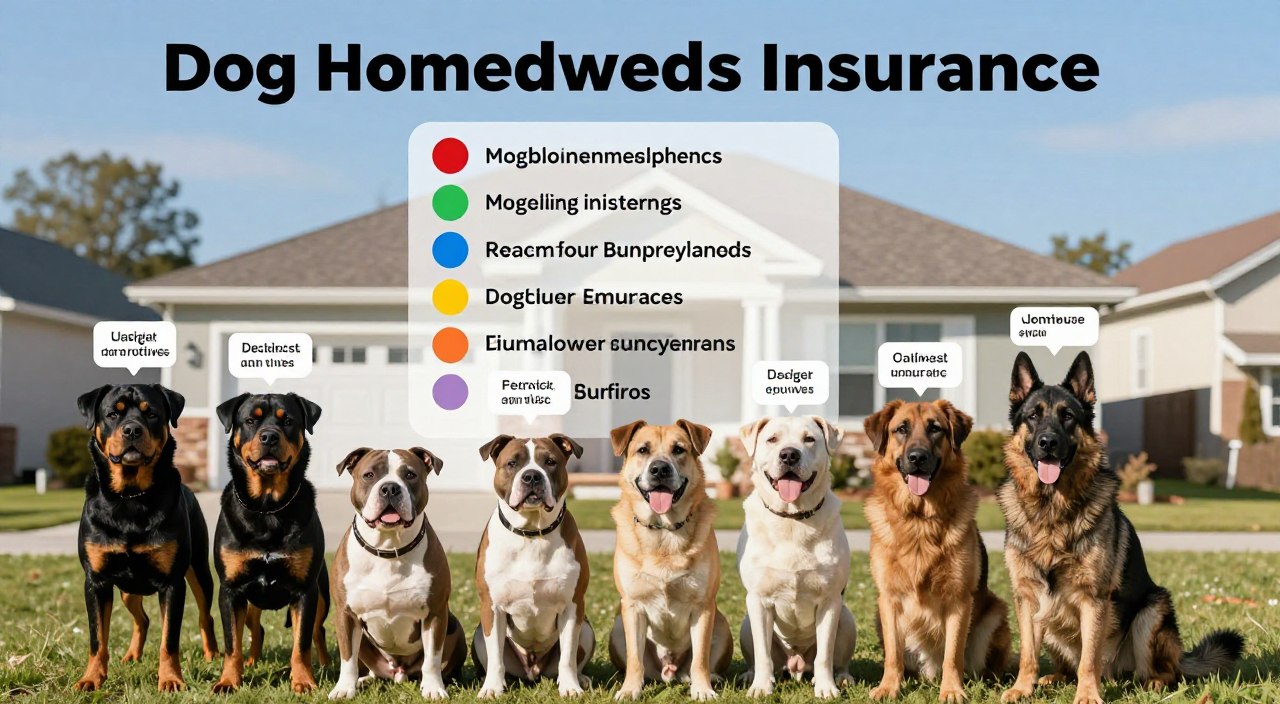
Dog Breed Restrictions for Homeowners Insurance
As a dog owner, you know your pet is part of your family. But, having a dog can affect your homeowners insurance. Some dog breeds are seen as high-risk. Insurance companies might have special restrictions or needs.
I get how important it is to protect your pet and home. In this article, we’ll look at how dog breed rules affect your insurance. This way, you can make smart choices.
Key Takeaways
- Some dog breeds are considered high-risk by insurance companies.
- Dog breed restrictions can impact your homeowners insurance coverage.
- Understanding these restrictions is crucial for dog owners.
- Insurance policies vary, so it’s essential to review your policy.
- Being aware of dog breed restrictions can help you make informed decisions.
Understanding Dog Breed Restrictions in Insurance Policies
Dog owners need to know about dog breed restrictions in insurance. Insurance companies have rules for high-risk breeds. These rules can change your coverage and how much you pay.
Why Insurance Companies Restrict Certain Dog Breeds
Insurance companies limit some dog breeds because of risk. Breeds like Pit Bulls and Rottweilers are seen as aggressive. This is because of media and dog bite statistics.
Important factors for breed restrictions include:
- Historical data on dog bites and attacks
- Media coverage of dog-related incidents
- Legislative actions and community perceptions
Statistical Basis for Breed Restrictions
Statistics help decide which breeds are restricted. Studies show some breeds bite more often. For example, the CDC found certain breeds are linked to more dog bite deaths.
Insurance companies use these stats to decide on breed restrictions. Dog owners should know how these stats affect their insurance.
Commonly Restricted Dog Breeds in Homeowners Insurance
Some dog breeds are seen as higher risk by insurance companies. This can lead to restrictions or exclusions in coverage. Knowing which breeds are restricted can help dog owners choose the right insurance.
Top 10 Dog Breeds Most Often Restricted
Insurance companies list dog breeds as high-risk. This is because of their potential for aggression or attack history. Here are the breeds often restricted:
- Pit Bull – Often seen as high-risk due to attack history.
- Rottweiler – Known for strength and guarding, seen as dangerous.
- German Shepherd – Used in police and military, seen as protective.
- Doberman Pinscher – Bred as guard dogs, seen as threatening.
- Chow Chow – Protective and aloof, seen as high-risk.
- Great Dane – Despite being gentle, their size is intimidating.
- Akita – Loyal but can be aggressive if not socialized.
- Wolf Hybrids – Their wild ancestry makes them high-risk.
- Presa Canario – Bred for guarding, their strength is concerning.
- Huskies – Friendly but their wild ancestry is cautious.

Regional Variations in Breed Restrictions
Breed restrictions vary by region. This is due to local attitudes, state laws, and insurance policies. For example, some states ban breed-specific laws, affecting insurance.
Dog owners should know the local regulations and insurance practices. This helps them choose the right insurance.
How Dog Breed Restrictions for Homeowners Insurance Work
It’s important to know how dog breed rules affect your homeowners insurance. These rules can change your policy a lot. They can affect how much you pay and what’s covered.
Policy Exclusions and Limitations
Insurance companies have rules for high-risk dog breeds. If your dog is considered aggressive, you might not get coverage for bites. Always check your policy to know what’s included. Some companies offer extra coverage for dog owners.
Disclosure Requirements When Applying for Insurance
When you apply for insurance, you must tell about your dog. This includes its breed, age, and if it’s been aggressive. Not telling the truth can make your policy invalid or deny claims. Being honest is key to having a good policy.
Knowing what to tell insurance companies helps you get the right coverage. This way, you’re protected as a homeowner with a dog.
Assessing Your Current Insurance Coverage for Your Dog
As a dog owner, it’s key to check your insurance. This ensures you’re covered if your dog gets into trouble. Your homeowners insurance might help with dog-related issues. But, how much help it gives depends on your policy and your dog’s breed.
Reviewing Your Policy Documents
Start by looking at your policy papers. Find sections on dog breed restrictions and liability. See if your policy bans certain breeds or has special rules for dog owners. It’s also important to know what your policy can’t cover and the highest amount it can pay for dog-related problems.

Questions to Ask Your Insurance Agent
After looking at your policy, talk to your insurance agent. Have questions ready, like: «Does my policy cover aggressive dog breeds?» or «What are the rules for liability if my dog bites someone?» Asking these questions helps you understand your coverage and find any missing parts.
By checking your insurance and knowing its limits, you can make smart choices about owning a dog. This keeps you and your finances safe.
Steps to Take if Your Dog Breed is Restricted
If your dog’s breed is on the restricted list, you have options. You can take steps to keep your insurance coverage. Many dog owners face this issue with insurance companies.
«Insurance companies see some breeds as riskier,» says an expert. But, you can still find good coverage. Knowing your policy and breed restrictions is key.
Negotiating with Your Current Insurer
Talking to your current insurer is a good first step. You might be able to change the breed restriction. Be ready to share about your dog’s behavior and training.
Some insurers might change their mind if you show you’re a responsible owner. This could mean showing your dog’s good behavior, training, and even letters from others.
Documentation That May Help Your Case
Having the right documents can help when talking to your insurer. This includes training certificates, vet records, and proof of liability insurance for your dog.
Also, if your dog is well-behaved, show that. Quotes from experts like trainers or vets can help. For example, a trainer might say, «A well-trained dog is not inherently dangerous, regardless of breed.»
By understanding your options and being ready to negotiate, you can keep your insurance coverage. This is important for dog owners.
Finding Dog-Friendly Insurance Alternatives
For homeowners with restricted dog breeds, finding the right insurance can be tough. But, there are ways around it. Many dog owners face this problem. Luckily, some insurance companies are now more open to covering all dogs.

Look for insurance companies with no breed restrictions. Some are more flexible about dog breeds. They focus on the dog’s behavior and the owner’s care. For example, USAA and Nationwide are known for being dog-friendly.
Insurance Companies with No Breed Restrictions
When looking for insurance with no breed restrictions, compare policies. Understand each company’s view on different breeds. Some might not exclude breeds but have other rules.
«Insurance companies are increasingly recognizing that breed alone is not a reliable indicator of a dog’s likelihood to bite.» –
Insurance Information Institute
- Research insurers that are known for being dog-friendly.
- Compare their policy details, including any breed-related clauses.
- Consider customer reviews and ratings to gauge their customer service and claims handling.
Specialized Pet Liability Insurance Options
Specialized pet liability insurance is another option. It covers damages or injuries caused by your pet, no matter the breed. It’s great for dog owners who can’t get standard homeowners insurance because of their dog’s breed.
This insurance offers full coverage, including legal fees if your dog gets into trouble. Some companies offer it as a separate policy. Others include it in their homeowners insurance.
Understanding Dog Bite Liability and Coverage
Knowing about dog bite liability is key. It’s about state laws and insurance. As a dog owner, you must know it can cost a lot. In the U.S., owners can be blamed for dog bites.
Dog bite laws change by state. It’s important to know these laws. Some states say owners are always to blame. Others say only if the dog was known to be mean.
State Laws Regarding Dog Bite Liability
State laws on dog bites are different. For example, California and Florida blame owners always. New York looks at both strict liability and if the owner was careless. Dog owners need to know their state’s laws.
| State | Dog Bite Liability Law | Key Provisions |
|---|---|---|
| California | Strict Liability | Dog owners are liable for injuries caused by their dogs. |
| New York | Mixed Approach | Liability based on strict liability and negligence. |
| Florida | Strict Liability | Dog owners are liable for injuries caused by their dogs. |
How Insurance Covers Dog-Related Incidents
Homeowners insurance usually covers dog bites. But, how much depends on your policy. Some policies might not cover certain breeds or dogs known to be aggressive. Always check your policy for what’s covered and what’s not.
Many insurance policies include pet liability coverage. This helps protect you if your dog hurts someone. Knowing what your insurance covers is very important.
Strategies to Lower Your Insurance Risk as a Dog Owner
There are ways to lower insurance risk for dog owners. By using these strategies, you can get lower premiums and better coverage.
Training and Certification Programs
Putting your dog in training and certification programs helps a lot. These programs teach obedience and good behavior. This shows insurers your dog is well-behaved and safe.
Certification from places like the American Kennel Club (AKC) is very helpful.
Home Modifications for Dog Safety
Changing your home to make it safer for dogs also helps. You can put up secure fences and make dog-friendly areas. Make sure your home is safe for your dog and others.
By doing this, you show you’re a responsible dog owner. This can lower your insurance risk.
Documentation of Responsible Ownership
It’s important to keep records of how you take care of your dog. Keep records of training, vet visits, and any certifications. These records help when you talk to your insurer or need to make a claim.
| Strategy | Description | Benefit |
|---|---|---|
| Training and Certification | Enroll dog in obedience and behavior programs | Demonstrates well-behaved dog, potentially lowering premiums |
| Home Modifications | Secure fencing, dog-friendly areas, hazard removal | Reduces accident likelihood, shows responsible ownership |
| Documentation | Records of training, veterinary care, certifications | Aids in negotiations with insurer, supports claims |
Legal Protections for Dog Owners Against Discrimination
As a dog owner, knowing your rights is key. Breed restrictions in homeowners insurance can affect your coverage. It’s important to understand your legal protections.
Many states have laws to protect dog owners from unfair treatment. For example, some states stop insurance companies from refusing coverage just because of your dog’s breed.
State-Specific Laws Prohibiting Breed Discrimination
In states like New York and California, laws limit how insurance companies use breed. An insurance expert said, «These laws make sure dog owners aren’t unfairly charged because of their dog’s breed.»
«Breed-specific legislation can be controversial, and insurance companies must navigate these laws carefully to avoid discrimination.»
Knowing your state’s laws is crucial. It helps you understand how they protect you as a dog owner.
Assistance and Service Dog Exemptions
Federal laws, like the Americans with Disabilities Act (ADA), also offer protection. Insurance companies can’t discriminate against people with service dogs. The ADA says, «Service animals are not pets, and their owners cannot be discriminated against because of their service animal.»
Knowing about these exemptions helps you deal with insurance better. It ensures you and your service dog are protected.
Conclusion
Understanding dog breed restrictions for homeowners insurance is important. It helps you make sure you’re covered well. Knowing about breed-specific insurance policies is key.
If you own a dog, check your insurance. You might need to change it to keep your pet safe. This could mean talking to your insurer or looking for new insurance.
Being proactive about dog breed restrictions is smart. It helps keep you and your pet safe. Knowing about insurance policies for different breeds helps you make good choices.
FAQ
What dog breeds are typically restricted by homeowners insurance companies?
Insurance companies often don’t cover breeds like Pit Bulls, Rottweilers, and Chow Chows. This is because they are more likely to bite people.
How do insurance companies determine which dog breeds to restrict?
They look at dog bite data and attack statistics. They also check the breed’s history and how it acts.
Can I still get homeowners insurance if I own a restricted dog breed?
Yes, you can still get insurance. But you might have to pay more or get extra coverage. You might also have to sign a waiver.
What is pet liability coverage, and do I need it?
It covers you if your dog hurts someone or damages their stuff. If you have a dog, it’s smart to get this coverage. It helps protect your money.
How can I lower my insurance risk as a dog owner?
Train and certify your dog. Make your home safer for dogs. Show your insurer you’re a good dog owner.
Are there insurance companies that don’t have breed restrictions?
Yes, some companies cover all breeds. You might need to look around to find them. Compare their policies and prices.
What are my options if my dog breed is restricted by my homeowners insurance?
Talk to your insurer. Show them your dog is safe. Or look for another company that doesn’t restrict breeds.
How do state laws regarding dog bite liability affect my insurance coverage?
State laws change how insurance works. Knowing your state’s laws helps you own a dog safely. It makes sure you’re covered.