Insure Your Gig Driving with Delivery Driver Coverage
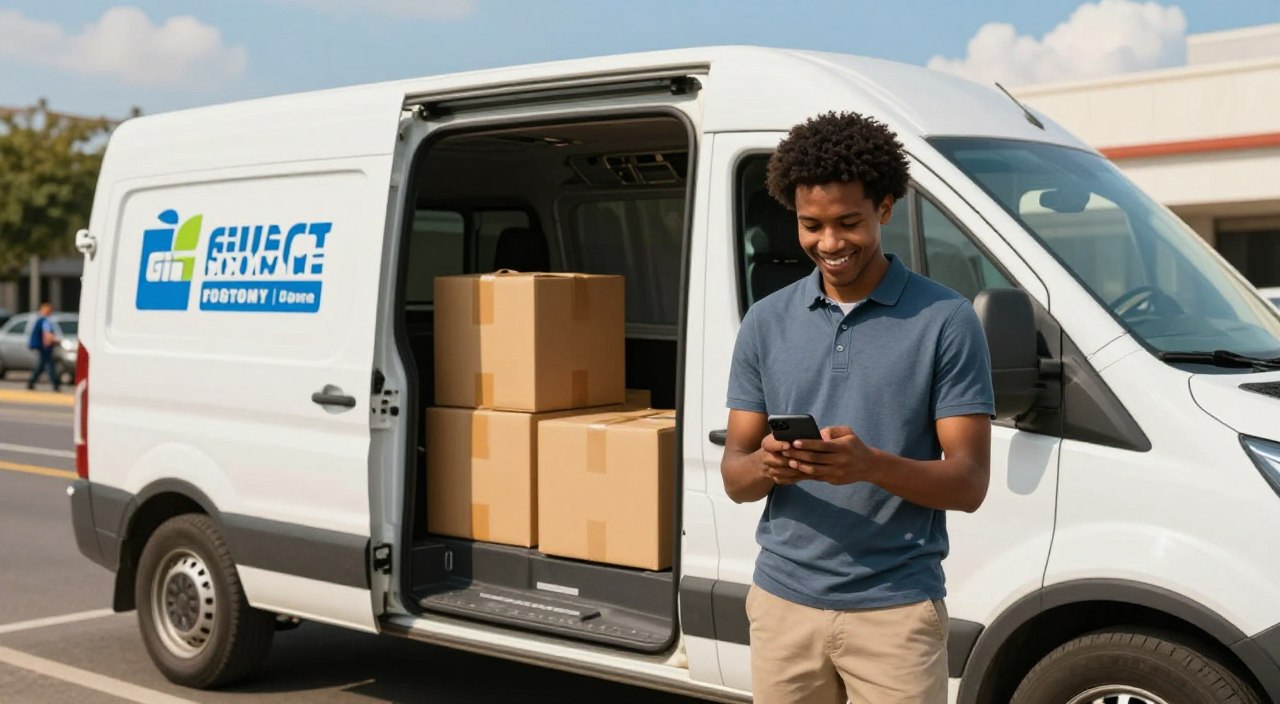
Driving in the gig economy is big now. It’s key to have the right insurance. This keeps you and your car safe.
Being a gig driver has its own set of problems. But, having good insurance is a must. We’ll look at why delivery driver insurance is important. We’ll also show you how to get the right coverage.
Driving for food or rides is different. The right insurance can help a lot. Let’s check out your insurance options.
Understanding the Insurance Needs of Gig Economy Drivers
Gig economy drivers face special insurance challenges. These challenges aren’t covered by regular auto policies. As the gig economy grows, drivers need to know their insurance needs.
Drivers worry about the right insurance coverage. Regular auto insurance doesn’t cover work activities. This leaves drivers at risk in accidents.
The Insurance Gap in Traditional Auto Policies
Most personal auto insurance doesn’t cover work activities. This is a big problem for gig economy drivers. They’re not protected when they’re working.
Why Personal Auto Insurance Isn’t Enough
Personal auto insurance doesn’t protect gig economy drivers well. It doesn’t cover the risks of commercial driving. Drivers need special insurance for work hours.
The Consequences of Driving Without Proper Coverage
Driving without the right insurance is very risky. It can lead to big financial problems in an accident. Drivers without the right insurance face big costs.
| Insurance Type | Coverage | Cost |
|---|---|---|
| Personal Auto Insurance | Personal driving only | Lower premiums |
| Gig Economy Insurance | Covers commercial driving | Higher premiums |
Delivery Driver Insurance for Gig Economy: What You Need to Know
As a gig economy driver, knowing your insurance options is key. The gig economy brings new challenges, like insurance gaps. Gig economy liability coverage and on-demand delivery driver insurance help fill these gaps.
Types of Coverage Available for Gig Drivers
Gig drivers can get many types of insurance. This includes liability, collision, and comprehensive coverage. Liability coverage is very important. It helps protect drivers from big financial losses if they’re in an accident.
Some companies offer special gig economy auto insurance for gig drivers.

When Coverage Applies: Period 1, 2, and 3 Explained
Insurance for gig drivers works in different periods. Period 1 is when the driver is waiting for a request. Period 2 starts when they accept a delivery and head to pick it up. Period 3 is when they’re actually delivering.
Knowing these periods helps drivers understand when they’re covered.
Differences Between Rideshare and Delivery Insurance
Rideshare and delivery insurance are for gig drivers, but they’re different. Rideshare covers drivers with passengers. Delivery insurance is for drivers with goods.
The needs and options for each are different. Drivers need to pick the right policy for their job.
Understanding coverage types and when they apply helps gig drivers make smart insurance choices. As the gig economy grows, the right insurance is key to success.
Assessing Your Personal Insurance Needs as a Gig Driver
Gig drivers must carefully look at their insurance needs. They need to know what factors affect their coverage. They also need to make a risk profile that fits their gig work.
Factors That Influence Your Coverage Requirements
Many things affect the insurance you need. These include the car you drive, your driving history, how often you work, and the platforms you use. For example, working for Uber Eats or DoorDash might need different insurance than less frequent gigs.
Creating a Risk Profile for Your Gig Work
Building a risk profile means looking at your driving habits and where you drive. It also means looking at when you work most. For instance, driving in busy traffic or late at night might raise your risk level.
Balancing Coverage and Cost
Finding the right balance between coverage and cost is key. While saving money by choosing the minimum coverage is tempting, it might not be enough. Look at how much premiums for delivery coverage go up. Try to lower your costs by bundling policies or driving better.
| Factor | Impact on Coverage | Cost Implication |
|---|---|---|
| Driving History | A clean record may lower coverage needs | Lower premiums |
| Gig Frequency | More frequent gigs may require higher coverage | Higher premiums |
| Vehicle Type | Luxury vehicles may require specialized coverage | Higher premiums |
«As a gig driver, having the right insurance coverage is not just about complying with platform requirements; it’s about protecting your livelihood.»
— Industry Expert
Step-by-Step Guide to Obtaining Delivery Driver Insurance
Getting delivery driver insurance can seem hard. But, breaking it down into steps makes it easier. As a gig economy driver, the right insurance is key to keep your money safe.
Researching Insurance Providers
Look for companies that focus on delivery driver insurance for gig economy workers. Big insurers now have special policies for gig drivers. It’s good to compare these. Start by visiting insurance company websites or talking to an insurance broker who knows about gig economy insurance.
Comparing Quotes and Coverage Options
After finding potential providers, compare their quotes and what they cover. Check the deductible, coverage limits, and any things they don’t cover. This helps you find the best deal.
| Insurance Provider | Premium Cost | Coverage Limit | Deductible |
|---|---|---|---|
| Provider A | $150/month | $1,000,000 | $500 |
| Provider B | $180/month | $1,500,000 | $750 |
| Provider C | $120/month | $750,000 | $250 |
Application Process and Documentation
The application process asks for personal and vehicle info. You’ll need to give your driver’s license, vehicle registration, and proof of gig driving. Some insurers might ask for more about your driving history.
What to Do If Your Current Insurer Doesn’t Offer Gig Coverage
If your current insurer doesn’t have gig economy insurance, look for specialized providers. An insurance broker can help you find the right coverage. They can guide you and make sure you’re protected.
By following these steps, you can get the right delivery driver insurance. This way, you can work in the gig economy with peace of mind.
Common Insurance Gaps for Delivery and Rideshare Drivers
It’s key to know the insurance gaps for delivery and rideshare drivers. As a gig economy driver, you must spot these gaps. This helps you avoid being underinsured.

The «App-Off» Gap
The «app-off» gap is when you’re not using the app but still driving. You might be driving for personal reasons or waiting for a new job. Your personal auto insurance might not cover this.
Deductible Considerations and Reimbursement Gaps
Many gig drivers forget about deductible and reimbursement gaps. Check your policy to know your deductible amounts. Make sure you get enough money back for accidents or other issues.
Coverage Limitations from Platform-Provided Insurance
Insurance from gig platforms has limits. These might include lower liability limits or shorter coverage times. Knowing these limits helps you not rely only on platform insurance.
To make sure you’re covered, do this:
- Look at your personal auto insurance to see what it covers.
- Know what the gig platform’s insurance offers and its limits.
- Think about getting more gig worker insurance or freelance driver insurance to cover gaps.
Understanding the Cost Factors of Gig Driver Insurance
The cost of gig driver insurance changes a lot. It depends on many things. Knowing these helps you spend less.

Average Premium Increases for Delivery Coverage
Adding delivery coverage to your auto insurance raises your cost. This change is different for each company. But, it usually goes up by 10% to 20%.
For example, if you pay $1,000 a year for auto insurance, delivery coverage might add $100 to $200.
Ways to Reduce Your Insurance Costs
There are ways to make your insurance cheaper. Keeping a clean driving record is key. Accidents or tickets can raise your costs a lot.
Also, think about raising your deductible to lower your premium. But make sure you can pay it if you need to. Discounts for defensive driving or bundling policies can also cut costs.
Tax Deductions for Insurance Expenses
As a gig driver, you might get tax breaks for insurance. The IRS lets self-employed people deduct a part of their insurance costs. Keep track of your business miles and insurance costs to claim these deductions.
Talking to a tax expert can help you use all the deductions you can.
Top Insurance Companies Offering Gig Worker Coverage
If you’re a gig driver, knowing about insurance is key. The gig economy is growing fast. Now, many top insurance companies offer special coverage for gig workers.
Major Insurers with Specialized Gig Policies
Big insurance companies now get the needs of gig drivers. State Farm and Geico have special policies for gig drivers. These policies help when you’re working on gig platforms.
Regional and Specialized Insurance Options
There are also local and special insurance companies for gig workers. USAA has insurance for military families. Other local companies offer policies that fit local gig drivers better.
Platform-Specific Insurance Partnerships
Some gig platforms work with insurance companies. For example, some rideshare companies have special coverage for drivers. Knowing about these partnerships is important for gig drivers.
Exploring these insurance options helps gig drivers protect themselves. It’s important to compare and choose the best policy for you.
Platform-Specific Insurance Requirements
Gig drivers need to know the insurance rules for each platform they use. It’s important to understand these rules to have the right coverage.
DoorDash, Uber Eats, and Grubhub Insurance Requirements
DoorDash, Uber Eats, and Grubhub have their own rules for insurance. DoorDash gives coverage when drivers are waiting for a job. Uber Eats does the same but with different rules. Grubhub drivers must have their own insurance that meets certain standards.
- DoorDash: Contingent liability coverage when logged in and waiting for a request
- Uber Eats: Similar contingent liability coverage with varying terms
- Grubhub: Requires drivers to have their own insurance meeting specific criteria
Instacart, Amazon Flex, and Shipt Insurance Needs
Instacart, Amazon Flex, and Shipt have their own insurance rules. Instacart shoppers get covered by a commercial policy. Amazon Flex drivers are covered by Amazon’s policy. Shipt shoppers need to have their own insurance.
- Instacart: Commercial insurance coverage during deliveries
- Amazon Flex: Amazon’s insurance policy covers drivers during delivery routes
- Shipt: Requires shoppers to have their own insurance
Multi-Platform Drivers: Managing Different Requirements
It can be hard to manage insurance rules for many platforms. Drivers need to know the rules for each platform to be covered. They might need to keep records of each policy.
Key considerations for multi-platform drivers include:
- Understanding the insurance coverage provided by each platform
- Maintaining personal insurance that meets the requirements of each platform
- Keeping detailed records of insurance policies and their terms
Navigating the Claims Process as a Gig Driver
When an accident happens during a delivery, knowing how to file a claim is very important. As a driver, you worry about your safety and the money you might lose. It’s key to understand the claims process to be well-protected.
What to Do After an Accident During a Delivery
First, make sure you and others are safe. Document the scene well, taking photos of any damage. Note the location and time of the accident. Also, exchange information with the other parties involved, if there are any.
Report the incident to the police and your gig platform. This is very important.
Documentation and Evidence for Successful Claims
To have a successful claim, keep detailed records. Track your medical and repair costs. Also, having witness statements or surveillance footage can help a lot. Organize this evidence quickly to make the process easier.
Working with Both Your Insurer and the Platform’s Insurance
Handling claims means working with your personal insurer and the gig platform’s insurance. Know what each covers to make the process smoother. Be ready to coordinate with both to get the most coverage without double claiming.
Being informed and ready helps gig drivers deal with claims better. This way, they get the support they need after an accident.
Risk Management Strategies for Delivery Drivers
To stay safe, delivery drivers need to be proactive. They should know about dangers on the road and how to avoid them.
Defensive Driving Techniques
Defensive driving is key to safety. Keep a safe distance from cars, watch your surroundings, and guess what others might do. This can help you avoid accidents.
Additional Protection Beyond Insurance
Having the right insurance, like gig worker insurance, is important. But there’s more you can do. A dash cam can help prove accidents. Also, keeping your car in good shape can stop breakdowns and accidents.
Using Technology to Reduce Risk and Lower Premiums
Technology is also a big help. Apps that track your driving can show you how to get better. This might lower your insurance costs. Some insurers even give discounts for using these apps, which is good for freelance driver insurance.
By using these strategies, delivery drivers can be safer and might even save money on insurance. This makes their work more stable and profitable.
Conclusion: Protecting Your Gig Driving Future
As a gig economy driver, the right insurance is key. It helps protect your money. With more on-demand delivery, gig economy liability coverage is very important. You must look out for yourself and the goods you carry.
Knowing what insurance you need is very important. If you drive for Uber Eats, DoorDash, or Grubhub, you need on-demand delivery driver insurance. It helps you feel safe and protected from accidents or surprises.
Look at your insurance needs carefully. Find out what insurance companies offer. Think about your car, how you drive, and what the platforms need.
Getting the right insurance is a big step for gig drivers. It helps keep your work safe. By taking care of yourself and your things, you can do well in the gig world.
FAQ
What is delivery driver insurance, and why do I need it as a gig economy driver?
Delivery driver insurance is for those who use their cars for work. It’s needed because regular car insurance doesn’t cover work use. This leaves you without protection in case of an accident.
What types of coverage are available for gig drivers, and how do they differ?
Gig drivers can get liability, comprehensive, and collision coverage. Liability covers damages to others. Comprehensive and collision cover your car.
How do I determine the right level of coverage for my gig driving activities?
Think about how often you work, your car, and your money. Making a risk profile helps figure out what you need.
Can I use my personal auto insurance for gig driving, or do I need separate coverage?
Your personal insurance might not cover work use. You might need extra coverage or a rider for your policy.
How do I find insurance providers that offer gig worker coverage?
Look for insurance made for gig workers. Compare to find the best for you. Check with your current insurer too.
What are the differences between rideshare insurance and delivery insurance?
Rideshare insurance is for drivers with passengers. Delivery insurance is for goods. Each has different needs and requirements.
Are there any tax deductions available for insurance expenses related to gig driving?
Yes, you might get tax breaks for insurance costs. Talk to a tax expert to learn more.
How can I reduce my insurance costs as a gig driver?
Drive safely and use tech to track your driving. Shop around for better prices. Look for discounts for gig workers.
What should I do if I’m involved in an accident during a delivery?
First, stay safe and others’ safe. Then, document the accident. Tell your insurance and the gig platform. Follow their steps to claim.
How do I manage different insurance requirements for multiple gig platforms?
Know what each platform needs. You might need different coverage. Adjust your policy as needed.