Rental Car Coverage: Non-owner Insurance Options
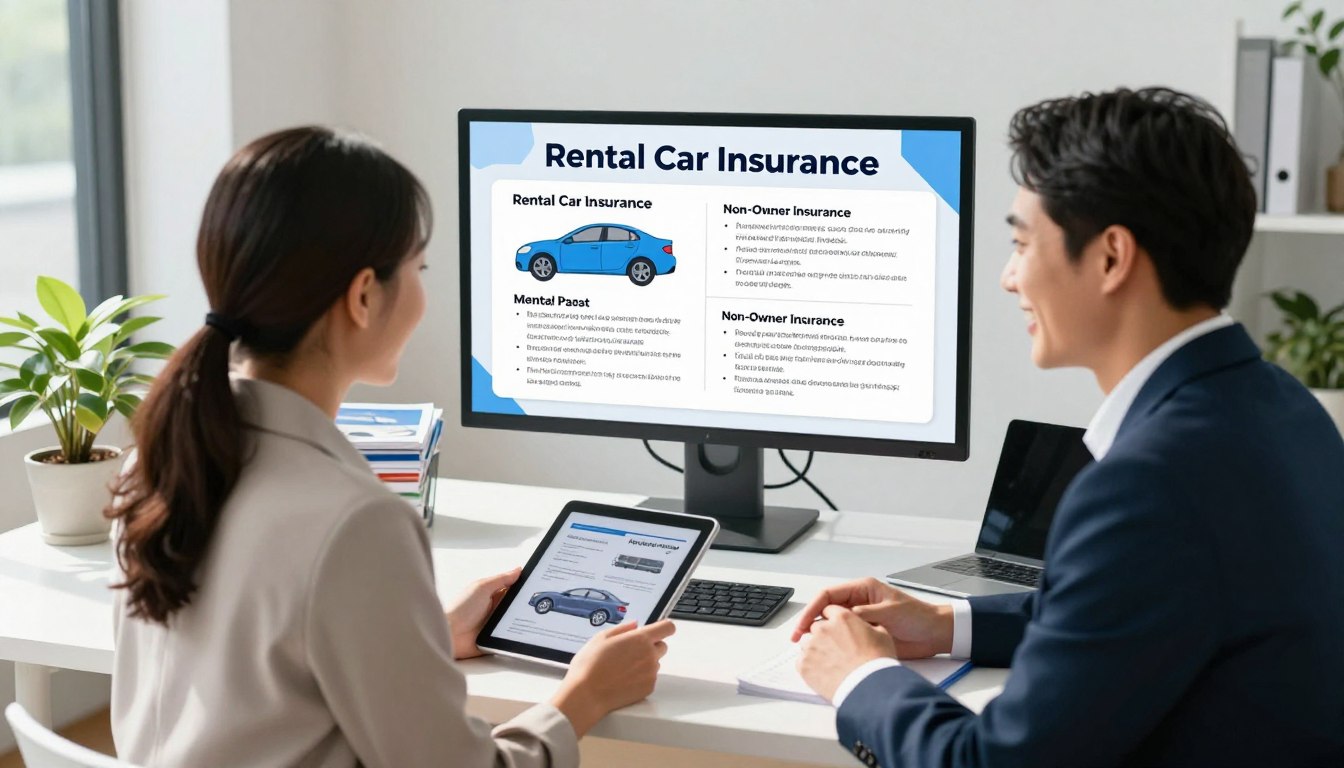
When you rent a car, knowing your insurance choices is key. Rental car insurance coverage helps protect you from accidents or damage.
Many don’t know their car insurance might not cover rental cars. That’s where non-owner car insurance for rental cars helps, adding extra safety.
This article will look at different insurance choices for rental cars. It aims to help you choose wisely when renting a car.
Key Takeaways
- Understanding rental car insurance is essential for financial protection.
- Personal auto insurance may not cover rental vehicles.
- Non-owner insurance can provide additional security for rental cars.
- Various insurance options are available for rental vehicles.
- Making an informed decision can save you from potential financial losses.
Understanding Rental Car Insurance Basics
Knowing about rental car insurance is key. It helps protect you from risks when driving a rental car.
Common Types of Rental Car Coverage
Rental car insurance has several types. These include collision damage waiver (CDW), liability insurance, and more. Collision Damage Waiver helps pay for damages if you crash.
Why Standard Insurance May Not Be Enough
Standard insurance might not cover all rental cars. This can leave you at risk.
Potential Coverage Gaps
There are many reasons for coverage gaps. The car type, location, and your policy can all play a part. For example, fancy cars might not be covered.
Financial Risks of Inadequate Coverage
Not having enough coverage can be very risky. If you crash or the car gets stolen, you could face big costs. Experts say, «Having enough insurance is key to avoid money troubles when renting a car.»
«Adequate insurance coverage is not just a precaution; it’s a necessity when renting a vehicle.»
Knowing these risks shows why you might need extra insurance for rental cars.
What Is Non-owner Car Insurance for Rental Cars?
Non-owner car insurance for rental cars is for people who don’t own a car but need coverage. It’s great for those who rent cars often. It gives them the protection they need without needing a car insurance policy.
Definition and Core Components
Non-owner car insurance gives you liability coverage when you rent a car. It includes bodily injury and property damage liability. This coverage helps protect you from big financial losses if you’re in an accident.
How It Differs from Standard Rental Insurance
Non-owner car insurance is different from what car rental companies offer. It’s more personal and often covers more. It’s not just for the rental time and can be made to fit your needs.
Benefits of Specialized Non-owner Policies
Non-owner car insurance is flexible. It covers many rental cars. And it might cost less than buying insurance from the rental company each time. It also keeps your coverage the same for all your rentals.
| Insurance Type | Coverage | Cost |
|---|---|---|
| Non-owner Car Insurance | Bodily Injury Liability, Property Damage Liability | Variable, often lower than rental insurance |
| Standard Rental Insurance | Collision Damage Waiver, Liability, Personal Effects | Typically higher, varies by rental company |
Knowing about non-owner car insurance for rental cars helps you make smart choices. You can get the right coverage without spending too much.
Who Needs Non-owner Auto Insurance for Rentals?
Some people need special insurance when they rent a car. Non-owner auto insurance helps protect against accidents or damage in rental cars.
Frequent Renters Without Personal Vehicles
Those who rent cars often without a car of their own should get this insurance. It offers liability coverage and physical damage protection for rental cars.
Business Travelers and Temporary Drivers
Business travelers who rent cars for work need this insurance too. It gives extra protection beyond what rental companies or credit cards offer.
Drivers with High-Risk Profiles
Drivers with a history of accidents or traffic tickets might struggle to get insurance. Non-owner auto insurance is a good option for them.
Knowing about non-owner auto insurance helps people make smart choices when renting a car.
Coverage Options Provided by Rental Companies
Car rental companies offer many insurance options. It’s important to know about them. This helps you make smart choices about your rental car coverage.
Collision Damage Waiver (CDW)
The Collision Damage Waiver (CDW) is a common option. It helps cover costs if you damage the rental car in an accident.
Supplemental Liability Protection
Supplemental Liability Protection gives extra coverage. It’s good if you’re in a big accident. It helps with damages or injuries.
Personal Effects Coverage
Personal Effects Coverage protects your stuff. It helps if your belongings get stolen or damaged in the rental car. It’s useful when you’re traveling.
Roadside Assistance Options
Roadside Assistance helps if your rental car breaks down. It offers services like towing and fuel delivery. It also helps with lockouts.
| Coverage Option | Description | Typical Cost |
|---|---|---|
| Collision Damage Waiver (CDW) | Covers damages to the rental vehicle | $20-$40 per day |
| Supplemental Liability Protection | Additional liability coverage | $10-$25 per day |
| Personal Effects Coverage | Covers personal belongings | $5-$15 per day |
| Roadside Assistance | Help with breakdowns and other issues | $5-$10 per day |
Think about the costs and benefits of these options. The rental car insurance cost changes based on the provider and what you choose.

Credit Card Rental Car Insurance Benefits
Many people don’t know they have rental car insurance with their credit cards. This can help a lot if something happens to the rental car.
Types of Coverage Offered by Major Card Issuers
Big credit card companies give different kinds of rental car insurance. For example, Chase Sapphire Preferred and American Express Platinum cards offer a lot of help.
Activation Requirements
To use the rental car insurance, you must pay with your credit card. Some cards might ask you to say no to the rental company’s insurance too.
Required Documentation
When you file a claim, you’ll need to show some things. This includes the rental agreement, a police report if there was one, and proof of the damage.
Claim Filing Procedures
To file a claim, call the credit card’s insurance company. You’ll need to send them the documents they ask for. Make sure to read your card’s insurance policy to know what to do and when.
Limitations and Exclusions to Be Aware Of
Even though credit card rental car insurance is great, there are things it doesn’t cover. For instance, some cards might not protect luxury cars or trucks.
| Credit Card | Type of Coverage | Activation Requirement |
|---|---|---|
| Chase Sapphire Preferred | CDW, Supplemental Liability | Pay with card, decline rental insurance |
| American Express Platinum | CDW, Supplemental Liability | Pay with card, decline rental insurance |
Personal Auto Insurance Extensions for Rentals
Many drivers don’t know their auto insurance covers rental cars. This can protect you from many risks with rental vehicles.
How Your Existing Policy May Cover Rentals
Most auto insurance policies cover rental cars to some degree. The details depend on your policy. It includes what types of coverage (liability, collision, comprehensive) are for rental cars.
Gaps in Coverage to Consider
Even if your insurance covers rental cars, there might be gaps. For example, if you rent a fancy car, your policy might not cover its full value. Also, some policies don’t cover certain rentals, like commercial ones.
| Coverage Type | Typical Personal Auto Insurance Coverage | Gaps in Coverage for Rentals |
|---|---|---|
| Liability | Usually covered | May not cover full rental car value |
| Collision | Often covered with deductible | Deductible may apply |
| Comprehensive | Typically covered | May have limitations on rental type |
Communicating with Your Insurance Provider
Talking to your insurance provider is key. They can tell you what’s covered, any limits, and if you need more coverage.
Standalone Non-owners Insurance for Rental Vehicles
Standalone non-owners insurance is perfect for those who rent cars often. It gives coverage that’s not tied to the rental company’s insurance.
Major Providers and Their Offerings
Big names like GEICO, Allstate, and Progressive have these policies. They let you pick what fits your needs best.
Cost Factors and Typical Premiums
The price of this insurance changes based on a few things. This includes your driving record, where you live, and how much coverage you want. Usually, it costs between $200 and $500 a year.
Coverage Limits and Deductibles
It’s important to know what your policy covers and what you have to pay first. Policies can have different levels of liability coverage. Some might also include extra features like comprehensive coverage.
Liability Coverage Options
Liability coverage is key in any car rental insurance. Standalone policies let you pick how much liability coverage you need.
Comprehensive vs. Basic Policies
When picking a policy, you can choose between comprehensive and basic. Comprehensive policies cover more, like theft and damage. Basic policies only cover liability.
Knowing the difference helps you pick the right insurance. This way, you get the best coverage for your rental cars.
How to Purchase Rental Car Liability Insurance
To make sure you’re covered, it’s key to know how to buy rental car liability insurance. You need to understand what’s needed, like application details and documents. Also, think about when to buy.
Application Process and Requirements
Getting rental car liability insurance starts with filling out a form. You can do this online or at the rental counter. You’ll share your name, contact info, and how long you’ll rent the car.
Documentation Needed
You’ll need a few things to apply. A valid driver’s license and a credit card are must-haves. You also need proof of your rental agreement. Some might ask for more, like your insurance history or ID.
Timing Considerations
When to buy rental car liability insurance matters. You can get it when you book your rental or at the counter.
Advance Planning vs. At-Counter Purchases
Buying ahead can give you peace of mind. But, buying at the counter is handy for last-minute rentals. Think about what you need and plan wisely.
Cancellation Policies
It’s vital to know the insurance provider’s cancellation rules. Some offer full refunds if you cancel early. Others might not.
| Insurance Provider | Cancellation Policy | Cost |
|---|---|---|
| Provider A | Full refund before rental | $20/day |
| Provider B | No refund | $15/day |
| Provider C | Partial refund with fees | $25/day |
Comparing Rental Car Insurance Options
It’s key to look at different rental car insurance options. Rental car insurance can be tricky. There are many types and providers.
Cost-Benefit Analysis of Different Coverages
Think about the cost and benefits of each coverage. Collision Damage Waiver (CDW) and Liability Insurance are common. But, their prices can change a lot between providers.
- CDW: Covers damages to the rental car. It costs about $20-$40 a day.
- Liability Insurance: Covers damages to others. It’s often in credit card benefits or your auto insurance.
Scenario-Based Comparison Tool
Use a scenario-based comparison to decide. For example, if you rent a car for a week. Add up the insurance costs from different providers.
| Insurance Provider | Total Cost for 7 Days | Coverage Details |
|---|---|---|
| Rental Company | $200 | CDW, Liability |
| Credit Card | $0 | CDW (primary) |
| Personal Auto Insurance | $0 | Liability, Comprehensive |
Creating a Personal Coverage Strategy
Think about how long and where you’ll rent. Short-term rentals need different coverage than long-term rentals.
Short-Term vs. Long-Term Rental Considerations
For short rentals, focus on CDW and Liability. For long rentals, think about comprehensive and personal effects insurance.
Domestic vs. International Rental Strategies
At home, your auto insurance might be enough. But abroad, you might need extra coverage. Your policy might not work outside your country.
Best Non-owner Car Insurance Providers for Rentals
Many top insurance companies offer non-owner car insurance for rentals. It’s key to look at coverage, customer happiness, and cost.
Top-Rated Companies and Their Specialties
Leading providers offer flexible coverage and good prices. For example, GEICO has low rates. State Farm has lots of coverage options.

Customer Satisfaction Ratings
Happy customers are important. Progressive and Allstate get high marks for service and claims handling.
Pricing Comparisons
Prices for non-owner car insurance vary a lot. It’s smart to compare to find the best deal.
Budget Options
For those watching their budget, GEICO and Root Insurance have cheap options.
Premium Coverage Providers
Drivers wanting more can look at State Farm and Allstate. They offer full policies with extra perks.
By looking at what these top providers offer, renters can choose wisely.
Common Mistakes When Selecting Rental Car Insurance
Choosing rental car insurance can be tricky. Many people miss important details or make wrong guesses. This can lead to spending too much or not getting enough protection.
Overlapping Coverage Issues
Buying the same coverage twice is a big mistake. If your car insurance or credit card covers rentals, you don’t need to buy more. Always check what you already have before you buy.
Underinsuring Your Rental
Not getting enough coverage is another big mistake. Rental car liability insurance is key to protect you in accidents. Make sure you have enough.
Overpaying for Unnecessary Protection
Rental companies might try to sell you extra coverage you don’t need. Knowing what’s already covered can save you money.
Misunderstanding Policy Terms
Not reading your insurance policy can lead to surprises. It’s important to know about deductibles, limits, and what’s not covered. This helps you make smart choices.
| Common Mistake | Consequence | Prevention |
|---|---|---|
| Overlapping Coverage | Unnecessary Expenses | Review Existing Policies |
| Underinsuring | Inadequate Protection | Assess Coverage Needs |
| Overpaying | Financial Loss | Understand Included Coverage |
| Misunderstanding Terms | Unexpected Surprises | Read Policy Terms Carefully |
Conclusion: Making the Right Rental Car Insurance Decision
Choosing the right car rental insurance can be hard. But knowing your options helps a lot. Non-owner auto insurance is great for people who rent cars often or don’t own one.
Think about what you need in insurance. Look at coverage limits, deductibles, and how much it costs. You might choose a non-owner policy or use your credit card or personal auto insurance. Always check the details carefully.
Having the right non-owner auto insurance makes you feel safe and protected. Take your time to look at all your choices. Pick a policy that fits your rental needs and budget.
FAQ
What is non-owner car insurance for rental cars?
Non-owner car insurance for rental cars is a special policy. It covers people who rent cars but don’t own one. It gives you liability protection. It’s great for those who rent cars a lot or don’t have a car.
How does non-owner car insurance differ from standard rental insurance?
Non-owner car insurance is a policy you buy yourself. It’s not from the rental company. It often has more coverage and is cheaper for those who rent a lot.
Who needs non-owner auto insurance for rentals?
People who rent cars a lot, business travelers, and those with high-risk driving need it. It’s also good for those who rent cars but don’t own one.
What types of coverage are typically included in non-owner car insurance for rental cars?
It usually has liability coverage. This helps if you’re in an accident. Some policies also have extra coverage like comprehensive and collision.
Can I purchase non-owner car insurance at the rental counter?
No, you can’t buy it at the rental counter. You need to buy it before you rent a car. Some providers offer it online or in advance.
How much does non-owner car insurance for rental cars cost?
The cost varies. It depends on where you live, your driving history, and the provider. Prices are usually between $100 and $300 a year.
Can I use my credit card’s rental car insurance benefits instead of non-owner car insurance?
If your credit card has rental car insurance, you might not need non-owner car insurance. But, check your credit card’s insurance to make sure it covers what you need.
How do I choose the best non-owner car insurance provider for rentals?
Look at coverage, price, customer satisfaction, and the provider’s reputation. Compare different companies to find the best one for you.
What are some common mistakes to avoid when selecting rental car insurance?
Don’t get coverage that overlaps, underinsure, or overpay. Also, don’t misunderstand policy terms. Make sure you know what you need before choosing.
Can I extend my personal auto insurance to cover rental cars?
Some personal auto insurance can cover rental cars. But, check with your provider to see how much. You might need extra coverage or a separate policy.