
Vacant Home Insurance Key Policy Details
Protecting your home is very important, even when it’s empty. I know how vital it is to keep my property safe from harm.
It’s key to know the vacant property insurance guidelines. These rules help make sure your home is covered if something bad happens.
Understanding your key details is very important. Knowing the policy rules for your empty home can help a lot if you need to make a claim.
Being informed helps keep my property safe, even when it’s not being used.
Understanding Vacant Home Insurance
Vacant home insurance is for homes that sit empty for a long time. It’s needed because regular home insurance doesn’t cover empty homes.
What Qualifies as a Vacant Property
A home is seen as empty if it’s been vacant for 30 to 60 days. Vacant properties include homes for sale, being fixed up, or left empty by owners.
How long a home must be empty to be considered vacant varies. It’s important to check your policy or talk to your insurer to know their rules.
Why Standard Homeowners Insurance Isn’t Sufficient
Standard home insurance is for homes with people living in them. Empty homes face more dangers like theft and damage. So, regular policies often don’t cover empty homes well.
- Increased risk of vandalism and theft
- Higher likelihood of undetected maintenance issues
- Potential for significant losses due to unnoticed damages
Risks Associated with Vacant Properties
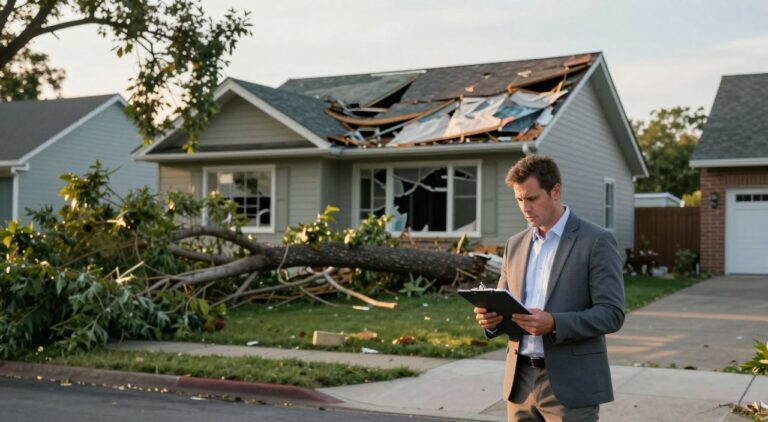
Empty homes face special dangers like property damage and legal problems. For example, an empty house might get broken into or have hidden leaks.
- Squatters or trespassers
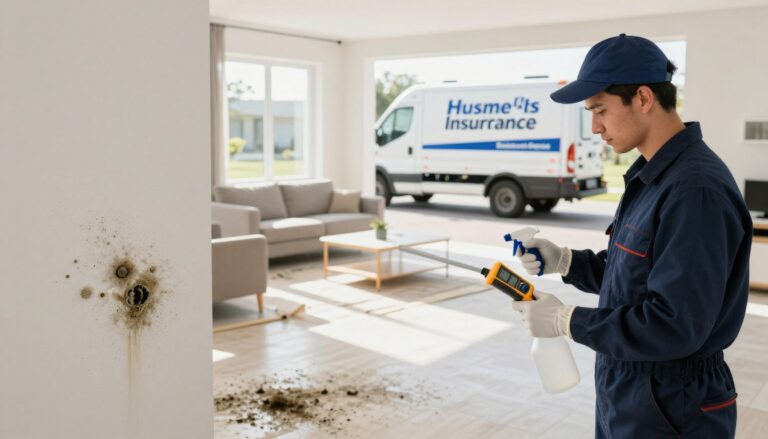
- Undetected leaks or water damage
- Vandalism or malicious mischief
Knowing these risks helps homeowners get the right insurance for their empty homes.
Vacant Home Insurance Policy Rules and Requirements
Vacant home insurance policies have rules and requirements. Property owners must follow these to keep their property insured. It’s important to know these rules to stay covered and follow the policy.
Occupancy Definitions and Timeframes
Insurance companies define what makes a property vacant. They look at how long a property is empty. Usually, a property is seen as vacant after 30 to 60 days.
I need to know these timeframes to keep my coverage. I should tell my insurance provider if my property will be empty for a while.
Documentation Requirements
To get vacant home insurance, I need to provide certain documents. These include proof of owning the property, details about its condition, and a security plan. Having these documents ready makes applying easier.
Inspection Protocols
Insurance companies often want to check vacant properties. They do this to see how the property is doing and if it’s being taken care of.
Initial Property Assessment
The first check looks at the property’s condition before it’s considered vacant. It finds any damage or risks. This helps figure out the property’s insurance value and what security it needs.
Ongoing Inspection Schedule
Regular checks are needed to keep the property in good shape. Any problems need to be fixed quickly. I should work with my insurance company to set up a schedule for these checks.
By following these rules and requirements, I can keep my vacant home insured. This way, I’m protected from any risks.
How to Transition from Standard to Vacant Home Insurance
Knowing when to switch from standard to vacant home insurance is key. It keeps your property safe. You must know the steps to take to keep coverage going without breaks.
When to Notify Your Insurance Company
Tell your insurance company right away if your home will be empty for a while. Quickly telling them stops problems with your current policy. It makes switching to vacant home insurance easier. Look at your policy or talk to your insurer to find out when to notify.
Documentation Needed for the Transition
To switch to vacant home insurance, you’ll need to give your insurer some papers. You’ll need to show you own the property, its condition, and any security you have. Being ready with this info makes applying easier and helps your insurer understand the risk.

Temporary vs. Long-term Vacancy Solutions
Insurance companies have different plans for short and long vacancies. For short times, you might add a rider to your policy. But for longer times, you need a special vacant home insurance policy. Knowing the difference is important for keeping your empty property safe.
In short, switching to vacant home insurance takes a few important steps. You need to notify, prepare documents, and pick the right coverage. By understanding these, you can keep your property safe and meet vacant home coverage needs.
Essential Coverage Components for Vacant Properties
Protecting a vacant property is more than just basic insurance. It needs special coverage for its unique risks. Knowing these parts is key for smart insurance choices.
Property Damage Protection
Property damage protection is key for vacant homes. It covers damage from disasters, accidents, or surprises. This keeps your investment safe from many risks.
Liability Coverage
Liability coverage is also very important. It guards you against lawsuits from injuries or damage to others. Vacant homes are more at risk for accidents or vandalism.
Vandalism and Malicious Mischief Coverage
Vandalism and malicious mischief coverage is very important for vacant homes. They are often hit by vandals. This coverage helps pay for repairs or replacements.
Water Damage and Weather-Related Protections
Water damage and weather protections are also key. Vacant homes are more at risk from weather or plumbing problems. This coverage helps cover the cost of fixing or restoring your property.
| Coverage Component | Description | Importance for Vacant Properties |
|---|---|---|
| Property Damage Protection | Covers damages to the property | High |
| Liability Coverage | Protects against lawsuits | High |
| Vandalism and Malicious Mischief Coverage | Covers vandalism-related damages | High |
| Water Damage and Weather-Related Protections | Covers weather and water-related damages | High |
In conclusion, knowing the key coverage parts for vacant homes is crucial. The right insurance for unoccupied homes helps avoid risks and financial losses.
How to Obtain Vacant Home Insurance
Homeowners with empty homes need special insurance. Getting the right coverage takes a few steps. You need to find the right insurers and know what the policies mean.
Researching Specialized Insurers
First, look for insurers that offer vacant home insurance. Not all companies have this coverage. It’s important to find those that do.
Check insurance company websites and read customer reviews. This helps you know their reputation and service.
Step-by-Step Application Process
After finding insurers, apply for coverage. You’ll need to give details about your property. This includes where it is, its condition, and any security you have.
Here’s what you can expect when applying:
- Fill out the application form with accurate property information.
- Submit needed documents, like proof of ownership and property inspections.
- Wait for the insurer to review your application and give you a quote.

Questions to Ask Potential Insurers
When asking about vacant home insurance, ask these questions:
- What are the policy’s coverage limits and exclusions?
- Are there any specific security requirements for the property?
- How are claims handled, and what’s the typical response time?
Red Flags to Watch For in Policy Terms
When looking at policy terms, watch out for these red flags:
| Red Flag | Description |
|---|---|
| Excessive Exclusions | Be wary of policies that exclude too many types of damage or loss. |
| Unreasonable Security Requirements | Some insurers may require security measures that are impractical or too costly. |
| Poor Claims Handling | Research how the insurer handles claims to avoid potential disputes. |
By researching insurers, understanding the application, asking the right questions, and watching for policy red flags, homeowners can find the right vacant home insurance.
Cost Factors Affecting Vacant Home Insurance Premiums
Many things affect the cost of insurance for empty homes. Knowing these can help owners make smart choices. The price of insurance for empty homes changes based on important factors. These factors help insurers figure out how risky a property is.
Property Location and Condition
The place and state of the empty property matter a lot. Homes in areas with natural disasters or many claims cost more. The property’s age, upkeep, and any damage also affect the price.

Security Measures and Monitoring Systems
Good security and monitoring can lower insurance costs. Insurers give discounts for homes with alarms, cameras, and strong fences. These steps help prevent theft and damage, making the home safer to insure.
Duration of Vacancy
The longer a home is empty, the more it costs to insure. Insurers see long vacancies as a higher risk. So, owners expecting a long empty period should expect to pay more.
How to Negotiate Better Rates
To get better insurance rates, owners should lower their property’s risk. Keep the property in good shape, add security systems, and check it often. Showing you care about safety can help lower your costs.
How to Maintain Compliance with Policy Requirements
Vacant property owners must take steps to follow their insurance policy rules. It’s important to know about vacant home insurance to keep your property safe.
Creating a Property Maintenance Schedule
It’s key to have a regular maintenance plan for your vacant property. This includes lawn care, checking for damage, and making sure systems work right.
«Regular maintenance helps meet policy rules and finds problems early,» experts say.
Implementing Required Security Measures
Insurance for vacant properties needs certain security steps. This includes cameras, alarms, and good lighting. These steps keep your property safe and meet policy rules.
Documenting Regular Property Checks
Keeping records is important for following vacant property insurance rules. Take photos and notes on your property’s state. This proof is useful for audits or claims.
Winterization and Seasonal Preparation Steps
Seasonal prep is vital for vacant properties, like draining pipes in winter. Summer prep might mean checking cooling systems. These steps prevent damage from weather.
By following these steps and knowing about insurance rules, owners can keep their property safe. This protects their investment.
Common Exclusions and Coverage Limitations
When you insure a vacant home, it’s key to know what’s not covered. Vacant home insurance protects your property from many risks. But, it’s just as important to know what’s not included.
Typical Policy Exclusions to Be Aware Of
Most policies don’t cover damages from certain events or conditions. Here are some common exclusions:
- Maintenance issues, like wear and tear or lack of upkeep
- Earthquakes and floods, unless you add extra coverage
- Acts of war or terrorism
- Intentional damage by the homeowner or others
It’s important to check your policy for these exclusions. They can affect your coverage.
Coverage Caps and Limitations
Vacant home insurance policies have coverage limits. For example, there might be a limit on claims for certain damages. Or, there could be a time limit for certain benefits.
| Coverage Type | Typical Cap/Limitation |
|---|---|
| Property Damage | $100,000 |
| Liability Coverage | $500,000 |
| Vandalism Coverage | $50,000 |
Knowing these limits is crucial. It helps ensure you’re well-protected.
How to Address Coverage Gaps
If you find gaps in your coverage, there are steps to take. First, look into supplemental insurance options. These can add extra protection for risks not covered by your basic policy.
Another option is to talk to your insurer. They might offer extra coverage or endorsements to fill gaps.
Supplemental Insurance Options
Supplemental insurance can help with coverage gaps. You might consider:
- Flood insurance, if your basic policy doesn’t cover floods
- Earthquake insurance, in areas with earthquakes
- More vandalism coverage, if you’re worried about malicious damage
Talking to your insurer about these options can ensure your vacant home is fully protected.
Filing and Managing Claims for Vacant Property Damage
Damage to a vacant property needs quick action to recover losses. Knowing the steps helps make the process easier.
Step-by-Step Claims Process
Filing a claim has a few important steps. First, tell your insurance company right away after finding damage. Next, take photos and videos of the damage. Then, send in your claim with all needed papers.
Required Documentation and Evidence
You’ll need to give your insurance company some important documents. These include:
- Photos and videos of the damage
- Police reports if needed
- Repair estimates
Strategies for Successful Claims
To make your claim more likely to be approved, know your policy well. Keep track of all talks with your insurer.
Appealing Denied Claims
If your claim is turned down, you can appeal. Read the denial letter well, get more evidence if you can, and appeal formally.
By following these steps and knowing how to insure unoccupied homes, you can handle your vacant property’s claims well.
Conclusion: Protecting Your Vacant Property Investment
Keeping your vacant property safe needs you to know about insurance well. Learning about vacant home insurance helps protect your property from harm.
Vacant homes face dangers like vandalism and theft. The right insurance can help keep your property safe. Think about where your property is, its security, and how long it’s empty when picking a policy.
Protecting your vacant property with insurance helps avoid big losses. Knowing how to use vacant home insurance is important. It helps you make smart choices and keep your investment safe.
FAQ
What is considered a vacant property for insurance purposes?
A vacant property is a house that is empty for 30 or 60 days. It’s not being used as it should.
Why do I need a separate vacant home insurance policy?
Regular home insurance might not cover empty houses well. So, you need a special policy for vacant homes.
What are the typical requirements for insuring a vacant property?
Insurers want proof you own the house and that it’s being looked after. They might ask for inspections.
How often do I need to inspect my vacant property?
Insurers want you to check the house every 30 to 60 days. This keeps the policy valid.
What kind of security measures are required for vacant properties?
You need to keep doors and windows locked. Alarm systems and regular checks are also a must.
Can I get vacant home insurance for a property that is under renovation?
Yes, but the policy might have special rules for renovations. Always talk to your insurer about it.
How do I transition from a standard homeowners insurance policy to a vacant home insurance policy?
Tell your insurance company when your house will be empty. They’ll help you switch to the right policy.
What are the cost factors that affect vacant home insurance premiums?
Premiums depend on where the house is, its condition, security, and how long it’s empty.
Can I negotiate better rates for my vacant home insurance?
Yes, by adding security and keeping the house in good shape, you might get a better deal.
What happens if I don’t comply with the policy requirements for my vacant property?
Not following the rules can lead to denied claims or even policy cancellation. It’s very important to follow the rules.
How do I file a claim for damage to my vacant property?
Call your insurer right away if you find damage. They’ll help you with the claim process, which includes showing proof.
Are there any specific guidelines for insuring vacant properties during certain times of the year, like winter?
Yes, for winter, insurers might ask you to take special steps. This could be to prevent pipes from freezing.